Trump reportedly wants FIFA President Gianni Infantino to run for UN Secretary-General
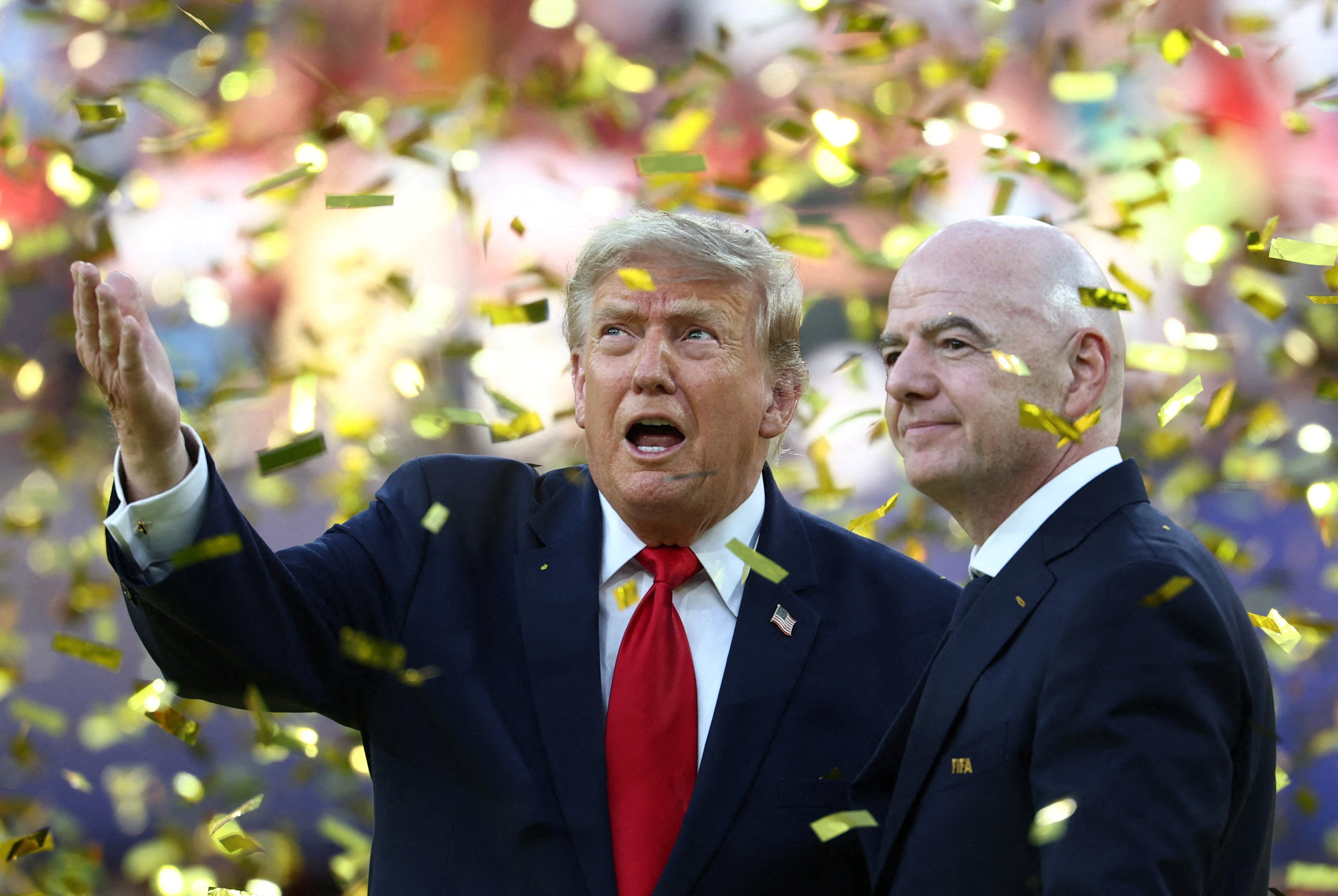
U.S. President Donald Trump desires FIFA President Gianni Infantino to contend for the position of UN Secretary-General, according to a report by the New York Post on Tuesday, July 21st. A source close to the U.S. President indicated that Trump believes Infantino is globally respected and possesses a unique ability to unite people. This potential move could be interpreted as an effort by Trump to improve his often-critical relationship with the United Nations. It remains unclear if Infantino is interested in the role or if Trump has directly approached him about it. Infantino is also expected to seek re-election as FIFA president in 2027. The current UN Secretary-General, António Guterres, will conclude his term at the end of this year. Other potential candidates mentioned include former Chilean President Michelle Bachelet and Rafael Grossi, Director-General of the International Atomic Energy Agency. Trump reportedly believes there is an opportunity to support a candidate outside the usual contenders. However, Infantino's candidacy would deviate from the expectation that the next Secretary-General might come from Latin America or the Caribbean. The relationship between Trump and Infantino reportedly strengthened during the World Cup, with Infantino attending events with Trump and presenting him with FIFA's inaugural Peace Prize. Paolo Zampolli, the U.S. Special Representative for Global Partnerships, expressed support for the idea, stating Infantino would excel at the UN.
This report highlights a potential U.S. presidential initiative to influence international governance appointments, suggesting a desire to reshape global leadership structures. The framing of Gianni Infantino as a unifying figure capable of bridging divides, as perceived by President Trump, presents an interesting dynamic against the backdrop of frequent U.S. criticism of the UN. Such a move, if pursued, would reflect a strategic interest in leveraging established international sporting figures for diplomatic roles, potentially aiming to inject a different leadership style into multilateral organizations. It also raises questions about the balance between sporting governance and broader geopolitical responsibilities, and whether a candidate from outside traditional diplomatic or political spheres could effectively navigate the complex challenges facing the UN. The long-term implications could involve a shift in how international bodies are led, emphasizing perceived personal charisma and global recognition over traditional diplomatic experience, and prompting a re-evaluation of the criteria for leadership in global institutions.
AI-generated to prompt reflection — not editorial opinion, not advice, not a statement of fact. How this works.