Trump Reverses Course on Planned 20% Strait of Hormuz Fee After International Protests
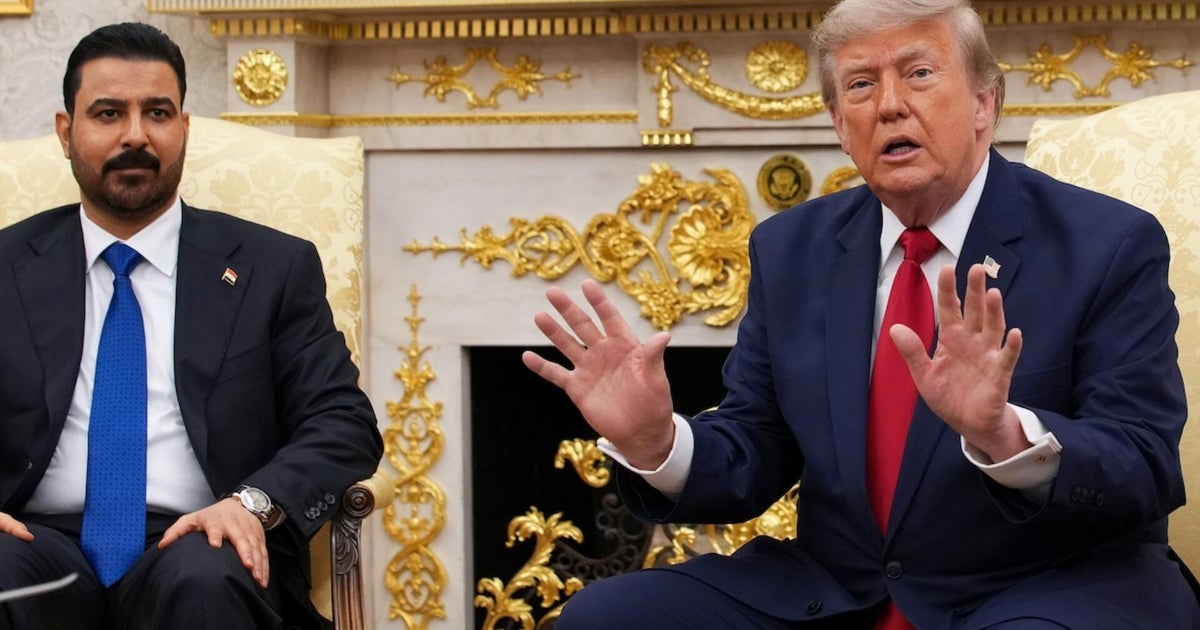
President Trump announced a reversal on his previously stated intention to impose a 20% fee on all cargo passing through the Strait of Hormuz. The decision came after several countries reportedly contacted the U.S. government to protest the proposed charge. Trump made these remarks while at the White House, where he was meeting with Iraqi Prime Minister Ali al-Zaidi. The discussion of the fee occurred in the context of ongoing tensions with Iran. This policy shift indicates a responsiveness to international diplomatic pressure and potential economic repercussions. The specific countries that protested were not named in the report. Further details on the fee and the nature of the protests were not provided.
The U.S. administration's proposal to levy a significant fee on maritime traffic through the Strait of Hormuz, followed by a swift reversal due to international objections, highlights the complex geopolitical and economic dynamics of this critical waterway. The incident underscores the challenges of unilateral policy implementation in a globally interconnected trade system. It suggests that such measures, if not carefully coordinated with key international partners and stakeholders, risk generating significant diplomatic friction and potentially disrupting established trade flows. The administration's responsiveness to protests indicates an awareness of the potential for negative economic externalities and the importance of maintaining diplomatic alliances, even amidst heightened regional tensions.
AI-generated to prompt reflection — not editorial opinion, not advice, not a statement of fact. How this works.