Trump Reverses Course on Strait of Hormuz Toll, Seeks Gulf State Investment
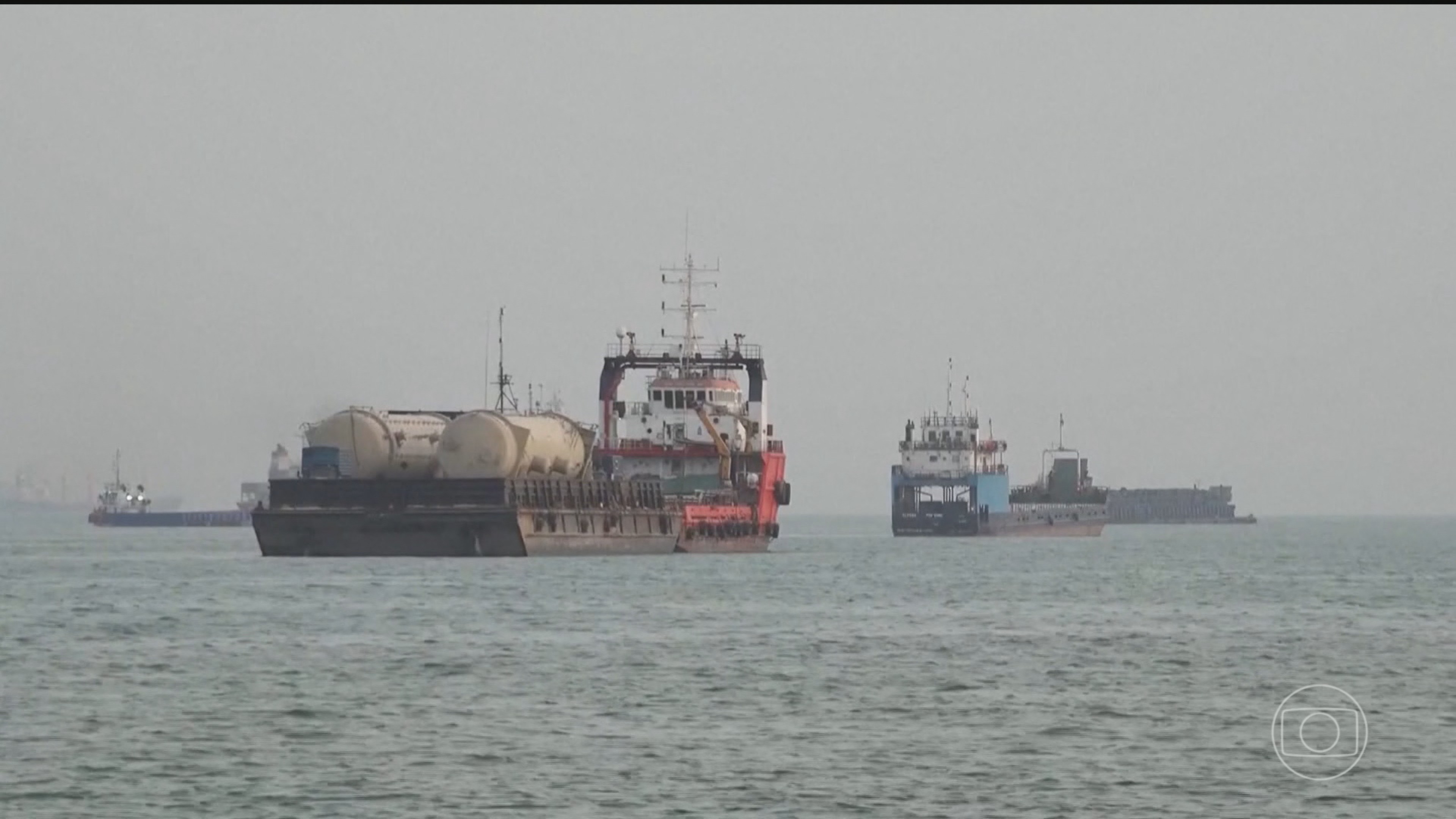
President Donald Trump has abandoned his plan to impose a 20% toll on cargo for ships transiting the Strait of Hormuz, just 24 hours after announcing the measure. Initially, Trump had declared the United States would act as the guardian of the strait and proposed the fee for vessels passing through. Iran's Foreign Minister, Abbas Araghchi, had sarcastically responded, suggesting Iran, as the traditional guardian, deserved compensation but found 20% excessive. On Tuesday, Trump retracted the toll proposal, stating that the U.S. naval blockade effectively keeps the passage open for all ships except Iranian ones. He suggested an alternative approach: securing investment from Gulf Arab nations. Trump reported discussions with leaders from Saudi Arabia, the United Arab Emirates, Bahrain, and Kuwait, who he claims are eager to invest in the U.S. at record levels. He expressed a dislike for the concept of tolls but acknowledged the need for compensation for ensuring passage, which benefits countries like China. The Strait of Hormuz, which handles 20% of global oil consumption, has become a focal point of conflict between the U.S., Israel, and Iran. Following a recent ceasefire, oil prices had stabilized, but renewed Iranian attacks on three cargo ships last week caused prices to rise again. U.S. military forces subsequently conducted strikes on military targets in Iran, including Bushehr, and Iran's Revolutionary Guard claimed responsibility for attacking two Bahraini tankers in the strait and U.S. targets in Jordan and Kuwait, resulting in injuries to four Kuwaiti military personnel.
The U.S. president's shifting stance on taxing maritime traffic through the Strait of Hormuz reflects the complex geopolitical and economic incentives at play in the region. The initial toll proposal, framed as compensation for security, appears to have been a tactical maneuver rather than a firm policy, quickly replaced by a strategy seeking direct financial investment from Gulf states. This pivot suggests a preference for bilateral economic arrangements over unilateral impositions, potentially aiming to leverage regional wealth for U.S. interests while avoiding the diplomatic fallout of a direct tax. The volatility of oil prices tied to the strait's security highlights the critical global economic implications of regional conflicts. Future policy decisions will likely balance the perceived need for security guarantees with the pursuit of economic benefits, navigating the inherent contradictions between maintaining open trade routes and exerting regional influence in an increasingly interconnected global economy.
AI-generated to prompt reflection — not editorial opinion, not advice, not a statement of fact. How this works.