Trump Reverses Decision on Hormuz Strait Tax
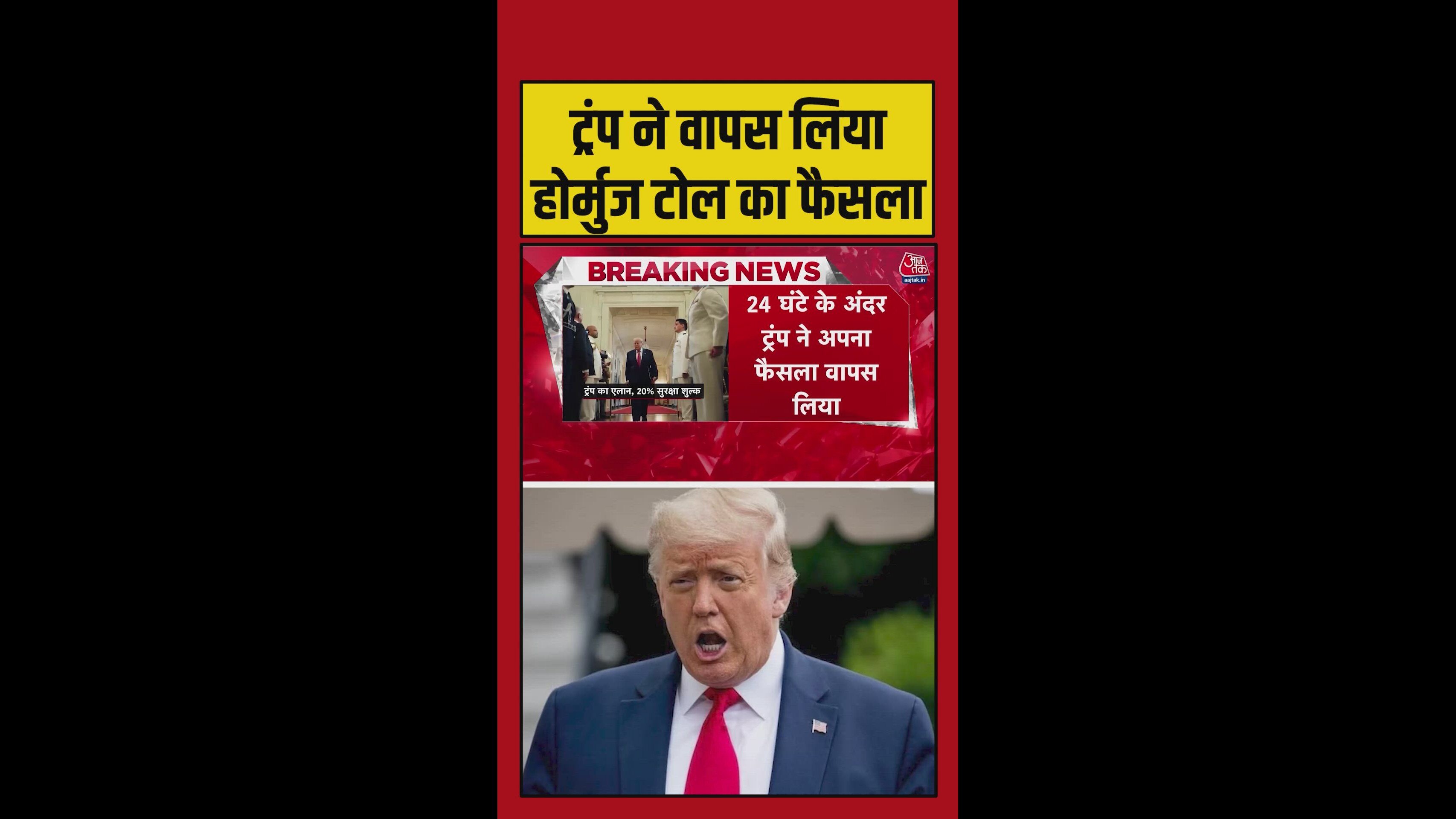
U.S. President Donald Trump reversed a decision regarding taxes on ships transiting the Strait of Hormuz within 24 hours. Initially, Trump had announced that vessels passing through the Gulf region would receive security protection but would also be subject to a 20 percent tax. Following discussions with leaders from the Middle East, Trump rescinded his earlier announcement. This U-turn indicates a shift in policy after initial deliberations with regional stakeholders. The specifics of the security guarantees and the reasons for the tax imposition were not detailed in the initial announcement. The subsequent cancellation suggests a reassessment of the economic and geopolitical implications of such a tax on maritime traffic in a critical global waterway. The decision's rapid reversal highlights the dynamic nature of international policy-making and the influence of diplomatic engagement.
The rapid reversal of the U.S. policy on taxing ships transiting the Strait of Hormuz suggests a complex interplay of geopolitical considerations and economic incentives. The initial proposal may have aimed to leverage security provision for revenue generation or to exert influence over regional maritime activities. However, the swift retraction, following engagement with Middle Eastern leaders, indicates that the potential negative consequences—such as disruption to global trade, retaliatory measures, or strained diplomatic relations—were deemed too significant. This event underscores the delicate balance required in managing international waterways and the importance of regional consensus in implementing significant policy shifts. Future strategies may need to prioritize collaborative security frameworks and transparent economic agreements to ensure stability and predictability in critical global chokepoints, especially in the context of evolving global trade dynamics and energy security concerns.
AI-generated to prompt reflection — not editorial opinion, not advice, not a statement of fact. How this works.