Trump Reverses Stance on Hormuz Tolls Following Gulf State Investment Offers
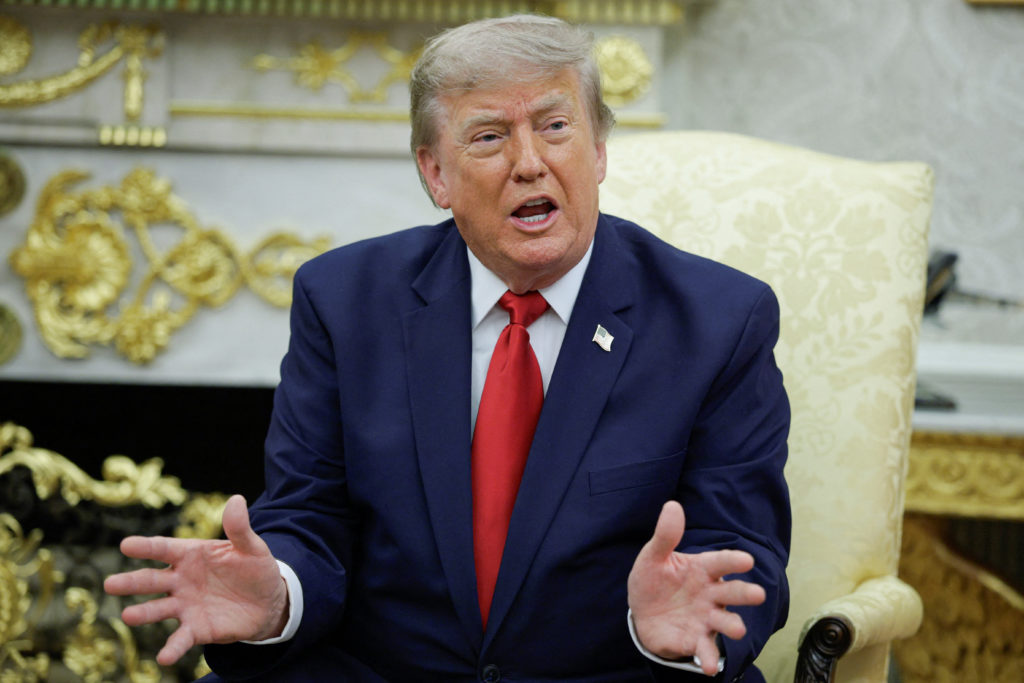
President Donald Trump announced a reversal of his proposed 20% toll on cargo transiting the Strait of Hormuz. Trump explained that he was persuaded to abandon the fee after receiving calls from "kings and emirs" and other leaders of Gulf states. These leaders reportedly suggested an alternative arrangement, which Trump indicated would involve increased investment from those nations into the United States. The president's decision reflects a shift from his initial proposal, which aimed to generate revenue from maritime traffic through the strategically important waterway. The specific details of the "alternate arrangement" and the extent of the promised U.S. investments were not fully disclosed in the initial statement.
The shift in policy regarding the Strait of Hormuz tolls illustrates the dynamic nature of international economic negotiations, where proposed tariffs can be recalibrated based on reciprocal investment proposals. This situation highlights the interplay between geopolitical leverage and economic incentives in shaping foreign policy decisions. The administration's willingness to reconsider a revenue-generating measure in exchange for future U.S. investment suggests a strategic prioritization of capital inflow and economic partnership. Future analysis should consider the long-term implications of such bilateral investment agreements on global trade flows and the stability of key maritime chokepoints, as well as the potential for similar negotiation tactics to be employed in other international economic contexts.
AI-generated to prompt reflection — not editorial opinion, not advice, not a statement of fact. How this works.