Trump Reverses Stance on Strait of Hormuz: Trade Deals Over 20% Cargo Tax
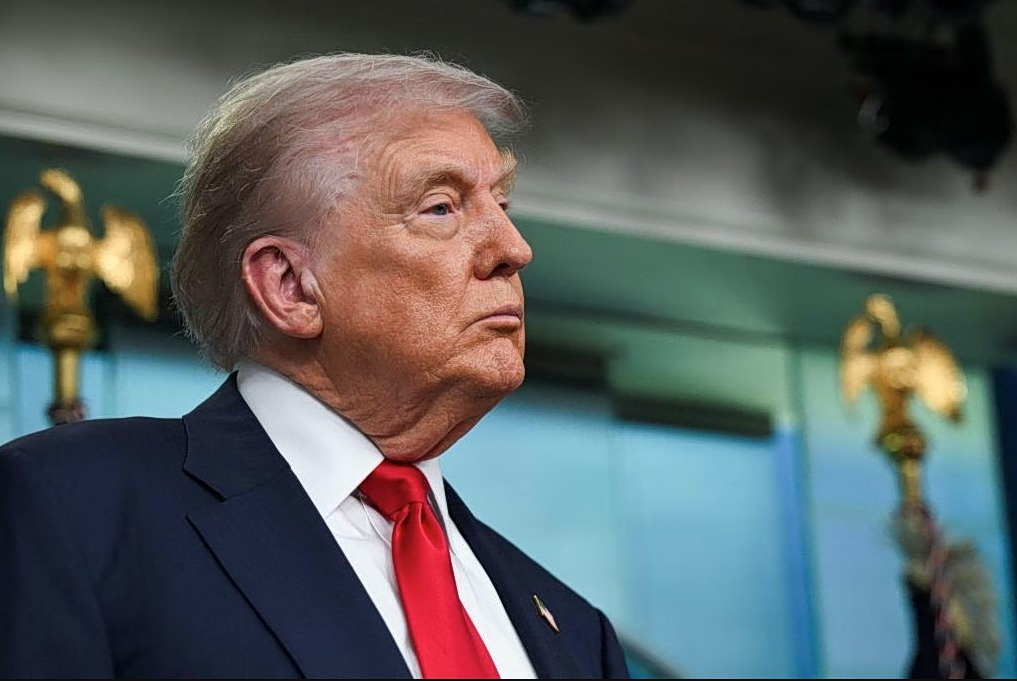
US President Donald Trump has announced a significant shift in policy regarding the Strait of Hormuz. Instead of imposing a 20% tax on cargo passing through the vital waterway, Trump indicated a preference for pursuing trade agreements. This change was communicated through a social media post made yesterday. The original proposal to tax shipping traffic was seen as a potential escalation of tensions in the region. The shift towards trade deals suggests a diplomatic approach to managing maritime commerce and international relations. The specific details of these proposed trade agreements have not yet been disclosed. This policy reversal could have implications for global oil prices and shipping insurance rates. The Strait of Hormuz is a critical chokepoint for global oil supply, with a significant portion of the world's crude oil passing through it daily. Trump's administration has previously employed aggressive tactics in trade negotiations and foreign policy. This latest move indicates a potential recalibration of his approach to international economic and security issues.
The policy shift away from a punitive tariff on Strait of Hormuz cargo towards trade agreements reflects a strategic pivot. This approach leverages economic incentives and diplomatic negotiation over coercive measures, potentially seeking to foster stability and predictability in a critical global trade artery. The move acknowledges the interconnectedness of global supply chains and the systemic risks associated with disrupting them. By prioritizing trade deals, the administration may be aiming to secure long-term economic benefits and geopolitical influence, aligning with broader trends of economic interdependence in the digital age. This could signal a more nuanced understanding of how market dynamics and international cooperation can be harnessed to achieve national objectives, while mitigating the potential for unintended consequences that often accompany unilateral economic sanctions or taxes.
AI-generated to prompt reflection — not editorial opinion, not advice, not a statement of fact. How this works.