Trump Revives Election Fraud Claims, Alleges Chinese Interference Ahead of Midterms
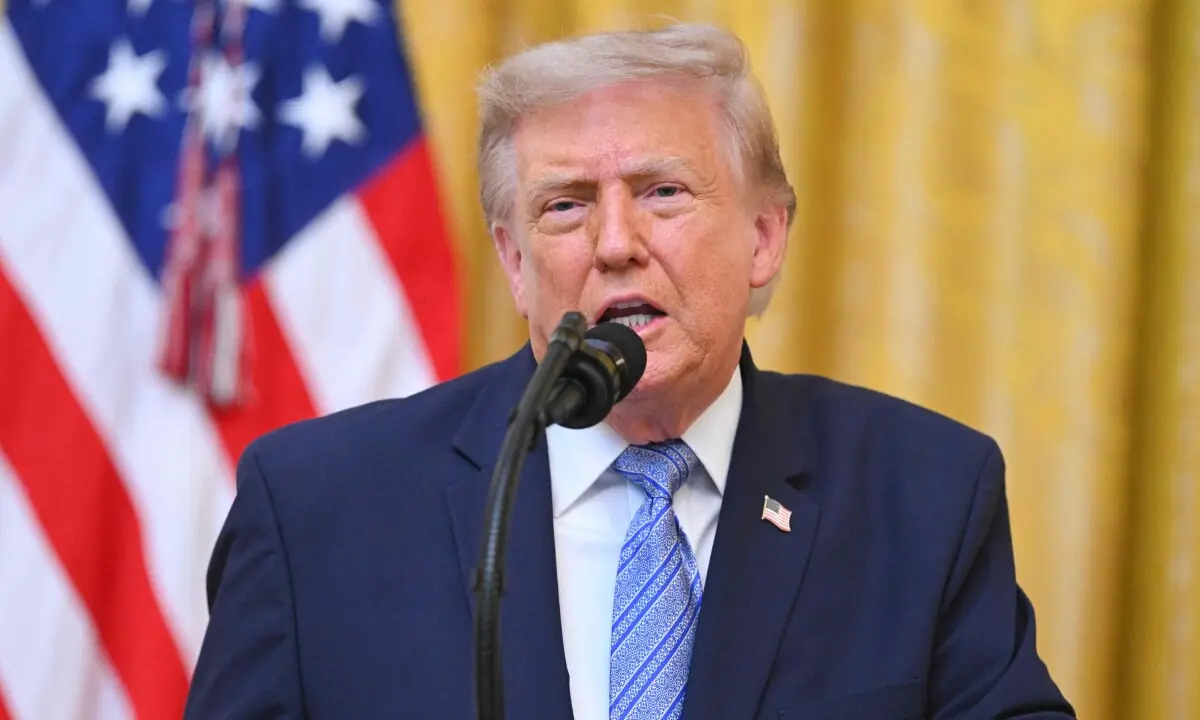
Ahead of the US midterm elections, former President Donald Trump has reiterated unsubstantiated claims of widespread voter fraud and alleged Chinese interference in American elections. In a White House address, Trump asserted that the US electoral system is vulnerable and called for new voting restrictions, though these proposals face limited support, even within his Republican Party. He claimed to be declassifying intelligence indicating China illicitly obtained 220 million US voter files, describing it as the largest compromise of election data in history, which began during the 2020 election cycle. Trump also alleged that over 250,000 non-US citizens were registered to vote in four states and accused broadcasters ABC and NBC of being part of a plot to rig elections, suggesting their licenses should be revoked. These claims of a "rigged" 2020 election have been consistently unsubstantiated by over 60 lawsuits, recounts, audits, and his own Justice Department. Election law expert Rick Hasen described the speech as containing "same old unsupported, and surprisingly weak, claims of American election vulnerabilities" and "recycled and debunked claims." Democrats criticized the speech as a "dangerous attempt to resurrect disproven lies to undermine future elections." Former White House lawyer Ty Cobb suggested the address was intended to lay the groundwork for declaring an election emergency. Trump continues to advocate for the SAVE America Act, which would mandate proof of citizenship for voter registration and photo identification at polls, alongside new limits on mail-in ballots, despite minimal bipartisan backing.
The former president's address, preceding pivotal midterm elections, centers on allegations of electoral malfeasance and foreign interference. Such rhetoric, particularly when decoupled from verifiable evidence and legal precedent, can erode public trust in democratic processes. The strategic timing and framing of these claims suggest an effort to mobilize a specific voter base and potentially pre-emptively challenge electoral outcomes. From a systems perspective, repeated unsubstantiated claims about election integrity can create a feedback loop, where skepticism breeds further scrutiny and counter-claims, potentially destabilizing institutional legitimacy over the long term. Future electoral reforms will likely grapple with balancing security concerns against access, a dynamic that AI and digital verification technologies may further complicate.
AI-generated to prompt reflection — not editorial opinion, not advice, not a statement of fact. How this works.