Trump Revives Public Charge Rule, Potentially Affecting Green Card Eligibility
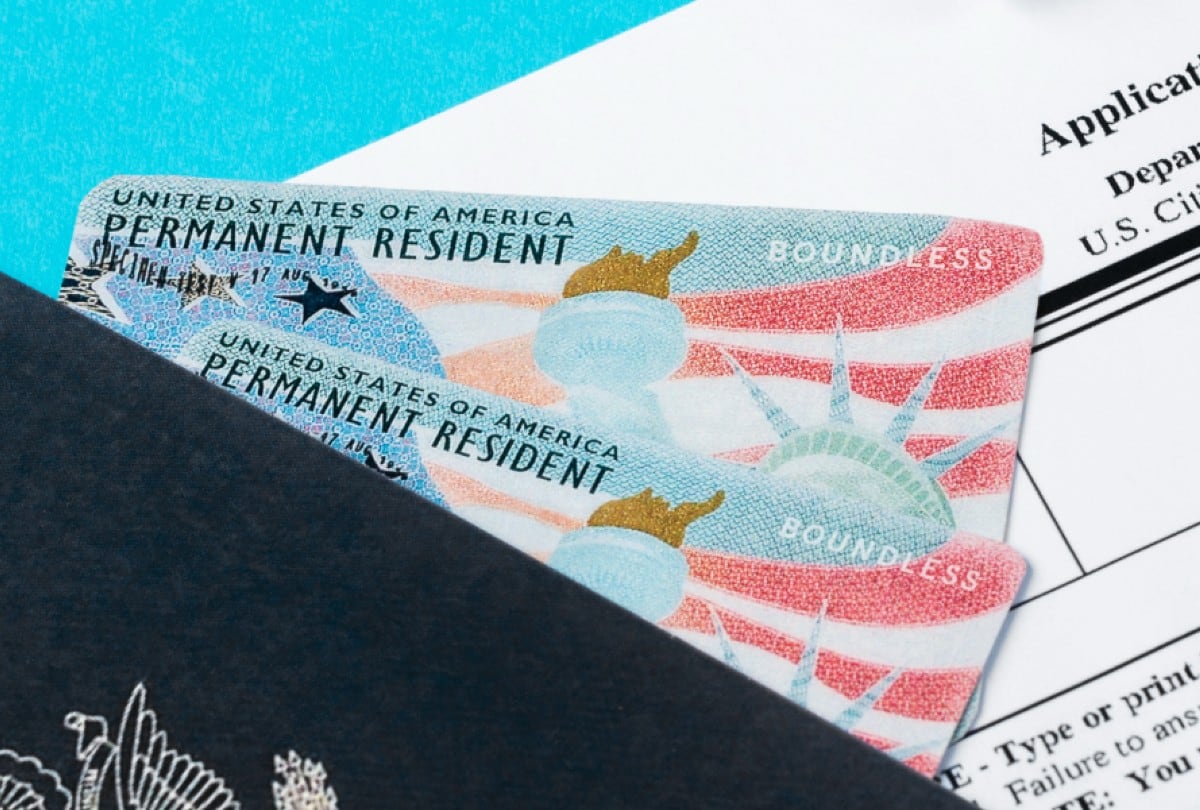
Former U.S. President Donald Trump has revived the "public charge" rule, a policy that could significantly complicate the process for immigrants seeking a Green Card. This rule targets individuals who have received or are likely to receive certain public benefits. The reinstatement of this policy raises concerns about its impact on immigration and the integration of non-citizens into American society.
The public charge rule allows immigration officials to deny Green Cards to individuals deemed likely to become a "public charge," meaning they would rely heavily on government assistance. The types of benefits that could trigger this designation include various forms of public aid. This measure is expected to create new hurdles for many aspiring immigrants, potentially altering the landscape of legal immigration to the United States.
The revival of the public charge rule reflects a policy approach focused on the perceived economic self-sufficiency of immigrants. From a systems perspective, such rules can create disincentives for immigrants to access social safety nets, potentially impacting public health outcomes and economic stability for vulnerable populations. This policy may also influence the demographic composition of future immigrant flows, prioritizing those with perceived lower immediate reliance on public resources. Over the next decade, the interplay between immigration policy, economic conditions, and the availability of social services will continue to shape the integration and long-term contributions of immigrant communities.
AI-generated to prompt reflection — not editorial opinion, not advice, not a statement of fact. How this works.