Trump Revives Unproven Claims of 2020 Election Fraud, Citing China and Venezuela
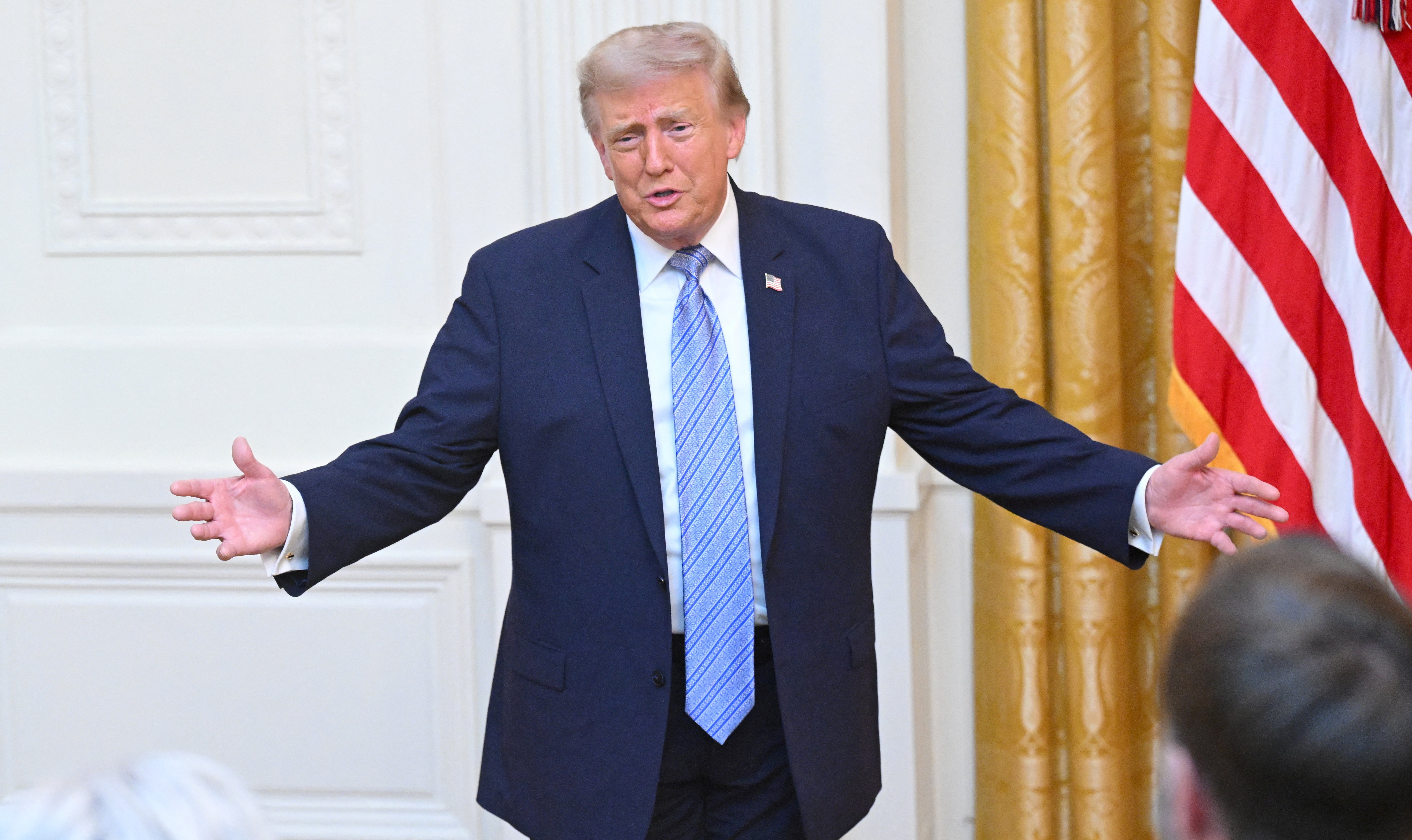
Former U.S. President Donald Trump has reignited unsubstantiated allegations of fraud and foreign interference in the 2020 election. During a speech on Thursday, November 16th, Trump claimed China illegally acquired 220 million American voter records through hacking and suggested Venezuela could manipulate U.S. voting machines. The White House declassified intelligence documents to support Trump's assertion that the election, which he lost to Joe Biden, was "stolen," a claim that lacks evidence. Over 60 lawsuits failed to find proof of fraud sufficient to alter the election's outcome, and election officials, including those within Trump's own administration, have repeatedly refuted these claims. Rick Hasen, an election law expert at UCLA, described Trump's remarks as "recycled and debunked allegations." Both China and Russia have denied any attempts to interfere in U.S. elections. Regarding the data claims, U.S. intelligence agencies concluded in March 2021 that there was "no indication that any foreign adversary attempted to alter any technical aspect of the voting process." They found with "high confidence" that China did not interfere and only considered, but did not execute, influence operations. While intelligence documents suggest Venezuelan authorities have shown interest and some capability in manipulating electronic voting systems, they do not definitively confirm widespread electronic fraud in specific Venezuelan elections. Furthermore, these documents indicate neither Smartmatic nor the Venezuelan government possessed the capability to predictably manipulate election outcomes outside Venezuela. Trump also alleged that hundreds of thousands of non-citizens were registered to vote, though independent investigations and audits have found such instances to be extremely rare, with safeguards in place to prevent non-citizens from voting.
This event highlights the persistent challenge of election integrity narratives, particularly when amplified by prominent political figures. The repeated assertion of unproven fraud claims, despite consistent refutation by legal processes and intelligence assessments, underscores the impact of information dissemination on public trust in democratic institutions. The strategic declassification of intelligence, while ostensibly supporting a specific claim, also raises questions about the use of such information in political discourse. Examining the incentive structures behind these claims reveals a potential aim to mobilize a specific voter base and influence future electoral dynamics. From a systems perspective, the reliance on unverified allegations can erode the foundational trust necessary for effective governance, creating a feedback loop where skepticism can be difficult to overcome, even with the presentation of contrary evidence. The long-term implications involve navigating the complex interplay between political rhetoric, verifiable data, and the public's perception of electoral fairness in an increasingly fragmented media landscape.
AI-generated to prompt reflection — not editorial opinion, not advice, not a statement of fact. How this works.