Trump's $1.8 Billion 'Anti-Weaponization Fund' for Allies Rescinded by Acting AG Blanche
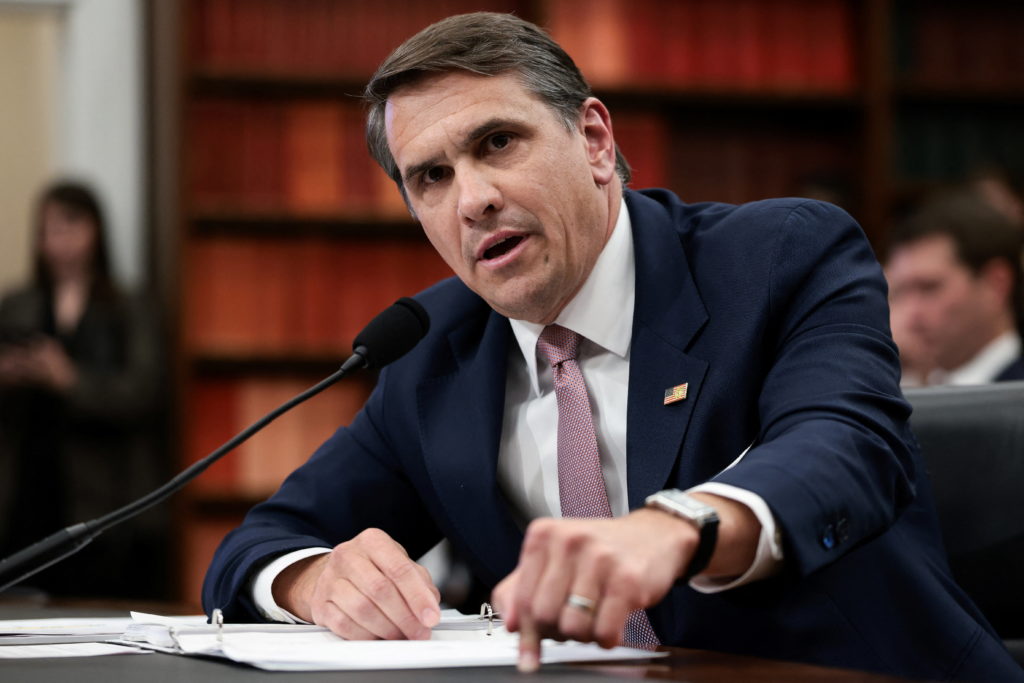
Acting Attorney General Todd Blanche has formally rescinded President Donald Trump's controversial $1.8 billion "anti-weaponization fund." This fund was intended to provide compensation to Trump's political allies. The decision to terminate the fund came after Republican senators threatened to block Blanche's nomination for Attorney General. The fund's purpose was to address alleged "weaponization" of the justice system against Trump and his supporters. Blanche's move appears to be a strategic decision to secure his own political future and facilitate his confirmation process. The termination of the fund signals a potential shift in how such resources might be allocated or managed moving forward. It also highlights the significant influence of Senate Republicans on executive branch appointments and policy decisions. The fate of the $1.8 billion remains uncertain, but its immediate allocation to Trump's allies has been halted.
The rescission of the "anti-weaponization fund" by Acting Attorney General Todd Blanche, following pressure from Republican senators, illustrates the complex interplay between political appointments and the management of public resources. This action underscores how the perceived political utility of such funds can be overridden by the exigencies of securing confirmation for high-level positions. The situation raises questions about the governance of funds designated for political compensation and the potential for their redirection based on shifting political alliances and institutional pressures. Looking ahead, such events may prompt a re-evaluation of the criteria and oversight mechanisms for funds that carry significant political implications, particularly in an era where political polarization continues to shape institutional decision-making.
AI-generated to prompt reflection — not editorial opinion, not advice, not a statement of fact. How this works.
