Trump's 20% Hormuz Toll Idea Faces Doubt Over Legality and Impact
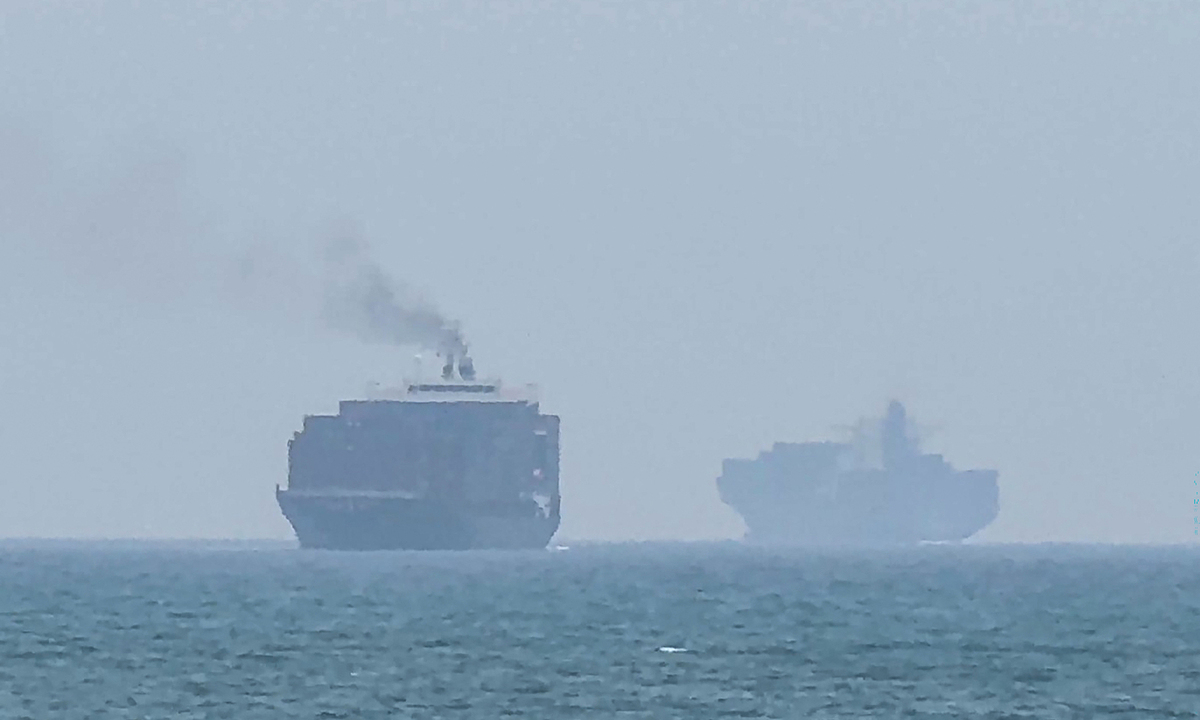
A proposal by former U.S. President Donald Trump to impose a 20% toll on ships transiting the Strait of Hormuz has generated significant skepticism. The idea, intended as a fee for protecting maritime traffic in the strategic waterway, has raised questions about its legal basis and practical feasibility. Concerns have also been voiced regarding the potential repercussions on global trade and international relations. Critics point to the complexities of implementing such a unilateral measure and its potential to disrupt established shipping routes and economic flows. The proposal's viability hinges on overcoming substantial legal and logistical hurdles, as well as navigating the geopolitical implications of potentially alienating key international partners.
The proposed 20% toll on Hormuz transits represents a potential shift in geopolitical strategy, moving from traditional security alliances to a transactional model for maritime protection. This approach, while potentially generating revenue, invites scrutiny regarding its alignment with international maritime law and trade agreements. The feasibility of unilaterally imposing such a fee without broad international consensus could lead to significant diplomatic friction and retaliatory economic measures. From a systems perspective, such a policy could incentivize alternative trade routes or energy sources, potentially diminishing the strategic importance of the Strait of Hormuz over the long term and reshaping global supply chains.
AI-generated to prompt reflection — not editorial opinion, not advice, not a statement of fact. How this works.