Trump's 2020 Election Claims Aim to Undermine Upcoming Midterm Elections
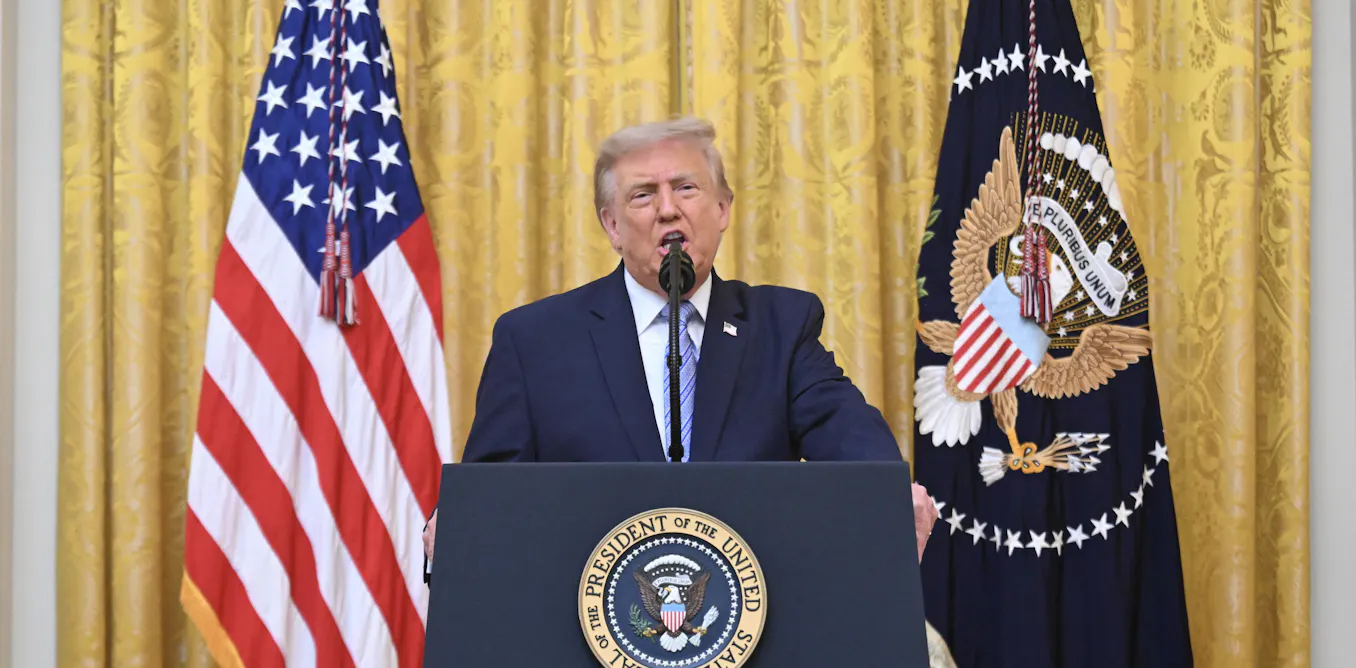
Former President Donald Trump is continuing to assert that the 2020 US presidential election was stolen. Rather than focusing on safeguarding the integrity of future elections, his rhetoric appears designed to sow doubt about the electoral process itself. This strategy is seen as an attempt to influence the upcoming midterm elections by undermining public confidence in the results. Trump's persistent claims of widespread election fraud, despite a lack of substantiating evidence and numerous failed legal challenges, suggest a broader objective beyond the 2020 election. The focus on election integrity, paradoxically, seems to be a tool for political maneuvering in the current electoral landscape. His statements aim to create an environment where potential losses in the midterms can be attributed to fraud, rather than electoral outcomes. This approach raises concerns about the stability of democratic processes and the peaceful transfer of power.
The persistent claims regarding the 2020 election, particularly when amplified during subsequent election cycles, can be analyzed through the lens of political strategy and public trust. By framing elections as compromised, political actors may seek to consolidate a base of supporters who question institutional legitimacy. This tactic can create a self-reinforcing cycle where doubt about electoral processes is used to mobilize voters, while simultaneously eroding the broader public's faith in democratic institutions. Looking ahead, the long-term implications involve the potential for increased political polarization and challenges to the acceptance of future election results. The incentive structure for political actors may favor such divisive rhetoric if it proves effective in fundraising and voter turnout, even at the cost of broader societal trust in democratic norms.
AI-generated to prompt reflection — not editorial opinion, not advice, not a statement of fact. How this works.