Trump's 250th US Anniversary Speech Delayed by Storm, Focuses on Election Integrity
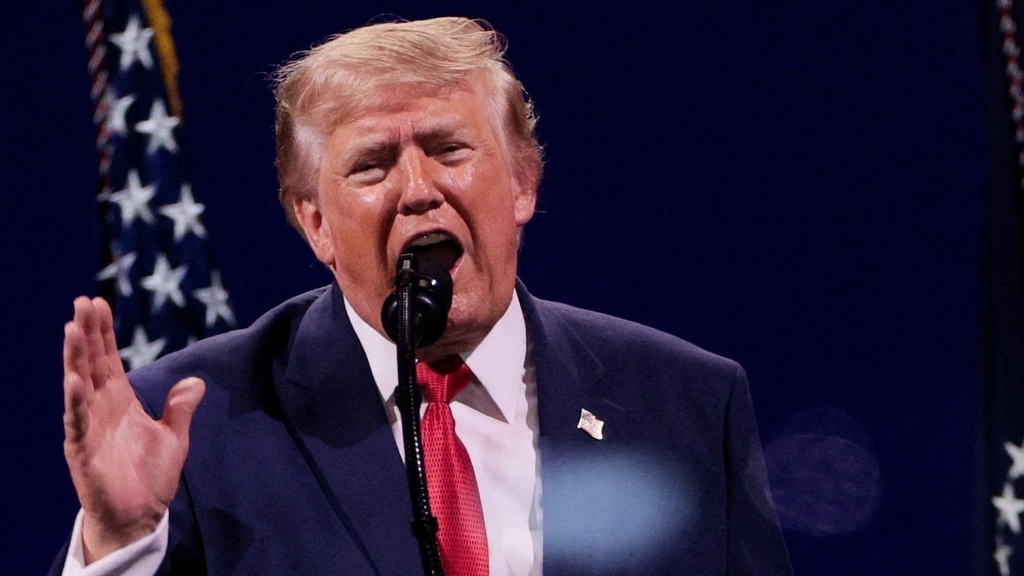
President Trump's Independence Day speech, commemorating the 250th anniversary of the United States, was significantly delayed due to severe weather in Washington D.C. Storms forced thousands of attendees to evacuate the National Mall, seeking shelter in nearby museums and buildings. Similar disruptions affected celebrations in other East Coast cities like Boston, New York, Philadelphia, and Pittsburgh, which experienced weather changes following heatwaves reaching around 38 degrees Celsius. Despite the inclement weather, Trump announced via social media that a brief rain shower would not halt the 250th-anniversary celebrations, and he proceeded with his address around 11:00 PM local time, which was 5:00 AM in the Netherlands. Initially, he had indicated the speech would be "very, very long" to demonstrate his capabilities. The address, which ultimately lasted only about thirty minutes, reiterated his long-standing concerns about election fraud. Trump stated, "We want to keep America great, and we will do that by passing the SAVE Act, which ensures only citizens can vote." Earlier in the week, during a speech at Mount Rushmore, he had strongly criticized the Democratic Party, particularly labeling "democratic socialists" as a "communist danger" to the American way of life. The 250th-anniversary festivities are taking place in a deeply divided nation, with divisions evident across political, cultural, and social issues, including long-standing debates on race, class, and immigration.
The event highlights the intersection of national celebrations, political messaging, and environmental factors. The delay and disruption caused by weather underscore the vulnerability of large public gatherings to natural events, prompting logistical challenges for organizers. President Trump's emphasis on election integrity, specifically through the proposed SAVE Act, frames a key policy concern within the context of a significant national anniversary. This approach leverages a moment of national unity to advance a specific political agenda, potentially appealing to a base concerned about voting rights and fraud. The broader context of a deeply divided nation suggests that such messages resonate differently across the electorate, reflecting ongoing societal schisms that transcend the immediate celebratory occasion. Future governance may need to consider more resilient infrastructure for public events and strategies for addressing political polarization that do not rely solely on crisis framing.
AI-generated to prompt reflection — not editorial opinion, not advice, not a statement of fact. How this works.