Trump's Business Dealings Reveal White House Culture of Greed
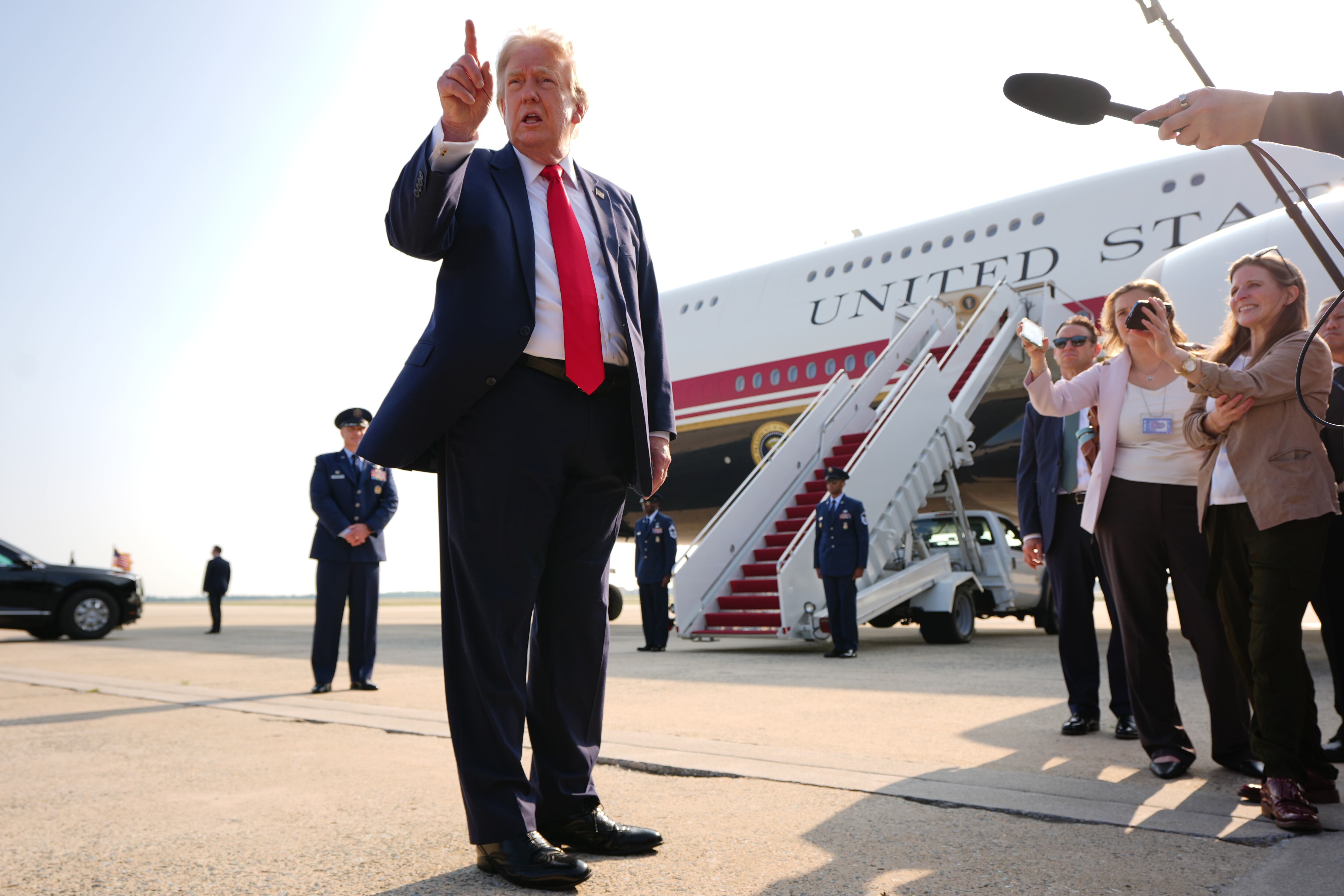
Revelations concerning the private business dealings of the U.S. President have brought to light a culture of rapacity within the White House. These insights suggest a pattern where personal financial interests may have influenced or been intertwined with official presidential activities. The extent of these connections and their implications for public trust and governance are now under scrutiny. The reports indicate a significant overlap between the President's business empire and his time in public office. This situation raises questions about potential conflicts of interest and the ethical standards expected of the nation's highest office. The focus is on how these private ventures were managed and perceived during his presidency. The implications extend to the broader perception of integrity in government. Further examination is needed to understand the full scope of these business entanglements.
The reporting highlights a potential tension between private financial interests and public service, a recurring theme in political discourse. Examining the incentive structures that allow for such overlaps is crucial for understanding governance. Future administrations may need clearer frameworks to delineate personal wealth from official duties, ensuring public trust is paramount. The long-term impact on democratic institutions depends on maintaining robust ethical standards and transparency in the highest levels of government.
AI-generated to prompt reflection — not editorial opinion, not advice, not a statement of fact. How this works.