Trump's Conflict Shifts from Nuclear to Hormuz: A Timeline
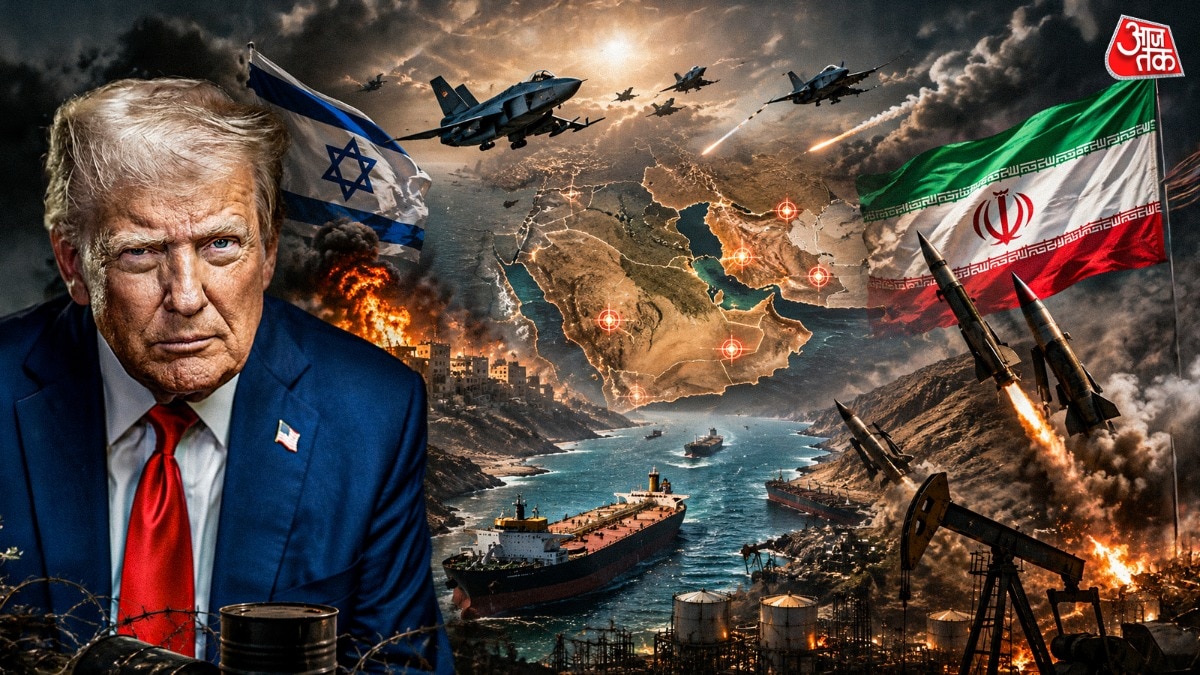
On February 28, 2026, former President Trump and Israel initiated attacks targeting Iran's nuclear sites. In response to these strikes, Iran took action to close the Strait of Hormuz. This strategic move effectively shifted the conflict's focus entirely onto the critical oil shipping route. The confrontation, initially centered on Iran's nuclear program, escalated into a broader geopolitical struggle impacting global energy supplies. The closure of the Strait of Hormuz, a vital chokepoint for oil transportation, has significant implications for international markets and energy security. This development highlights the interconnectedness of nuclear concerns and regional maritime control in the ongoing tensions.
The escalation from targeting nuclear facilities to disrupting a key global oil chokepoint illustrates a common pattern in geopolitical conflicts where initial objectives can broaden due to retaliatory actions. This shift underscores the complex interplay between national security interests, energy economics, and international maritime law. The decision to close the Strait of Hormuz, while a potent response, carries substantial risks of wider economic destabilization and potential intervention from global powers reliant on oil imports. Future conflict resolution frameworks may need to more robustly address the cascading effects of such strategic maneuvers, considering the interconnectedness of energy infrastructure and international stability in the coming decade.
AI-generated to prompt reflection — not editorial opinion, not advice, not a statement of fact. How this works.