Trump's Conflicting Remarks Alienate Allies, Overshadowing Key Transatlantic Issues
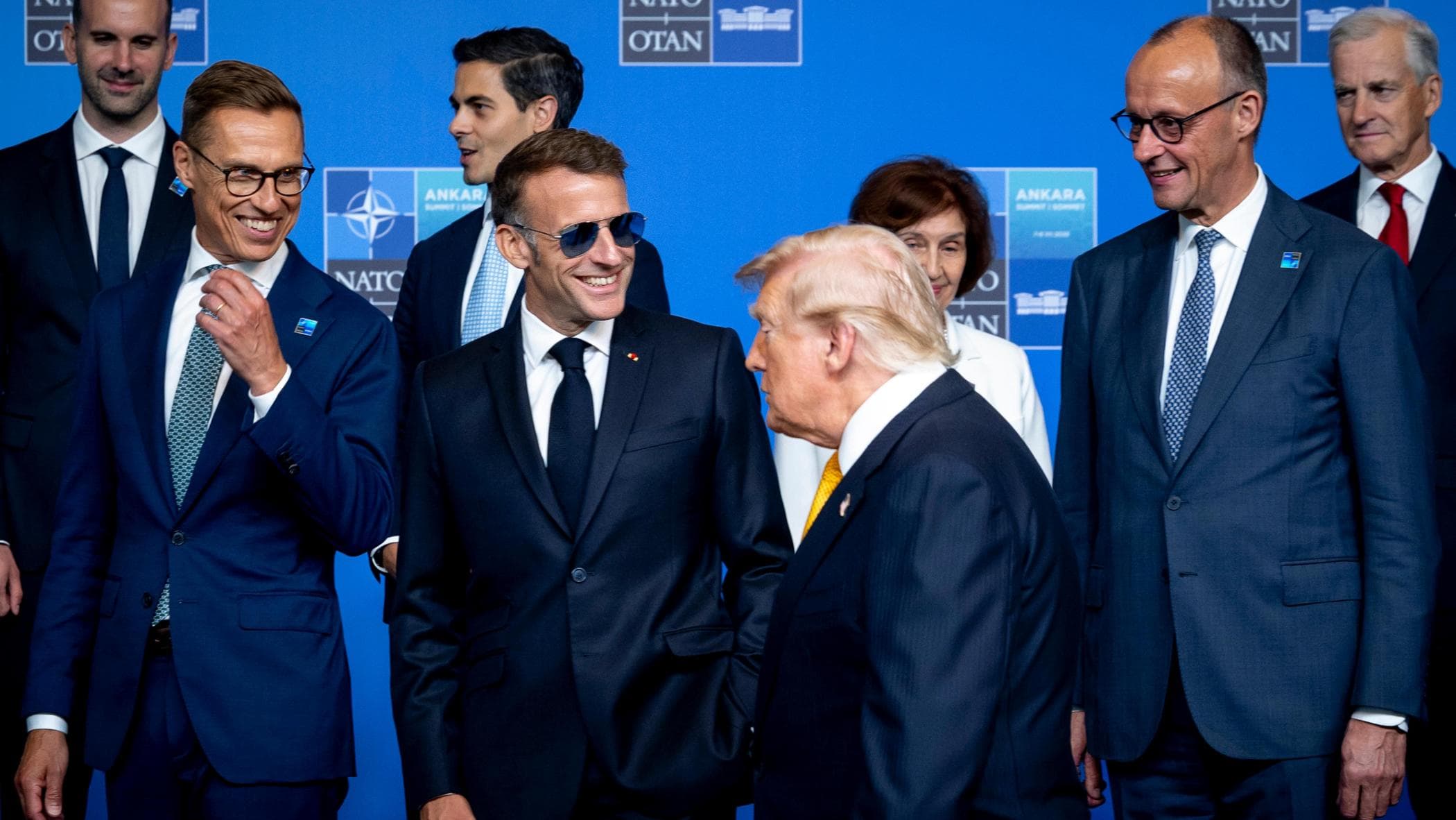
During a two-day event in Ankara, Donald Trump's contradictory statements have left allied leaders disoriented and relegated to minor roles. The tycoon's erratic remarks have caused confusion among other leaders, who have been reduced to mere spectators. This has led to a significant neglect of major transatlantic issues that require urgent attention. The focus of the event was overshadowed by Trump's pronouncements, diverting attention from critical policy discussions and diplomatic engagements. Allies reportedly felt sidelined, unable to effectively address pressing concerns due to the unpredictable nature of the proceedings. The situation highlights a broader challenge in international diplomacy when key figures engage in inconsistent communication. The lack of focus on substantial transatlantic matters raises concerns about the future of these crucial relationships and collaborative efforts. The event's proceedings did not facilitate the necessary dialogue for addressing complex global challenges.
The described scenario suggests a potential disconnect between the communication style of a prominent political figure and the established norms of international diplomacy. When leaders' pronouncements are perceived as contradictory or disorienting, it can create uncertainty within alliances, potentially hindering coordinated action on significant geopolitical and economic matters. This dynamic may incentivize a strategic recalibration among allied nations to ensure their core interests are pursued, regardless of unpredictable communication patterns. The long-term implications could involve a shift towards more resilient diplomatic frameworks capable of navigating such volatilities, emphasizing clear policy objectives over reactive engagement with transient rhetoric. Future international relations may see a greater emphasis on institutionalized dialogue channels to maintain stability.
AI-generated to prompt reflection — not editorial opinion, not advice, not a statement of fact. How this works.