Trump's Congo-Rwanda Peace Deal Falters Amid 'America First' Strategy Concerns
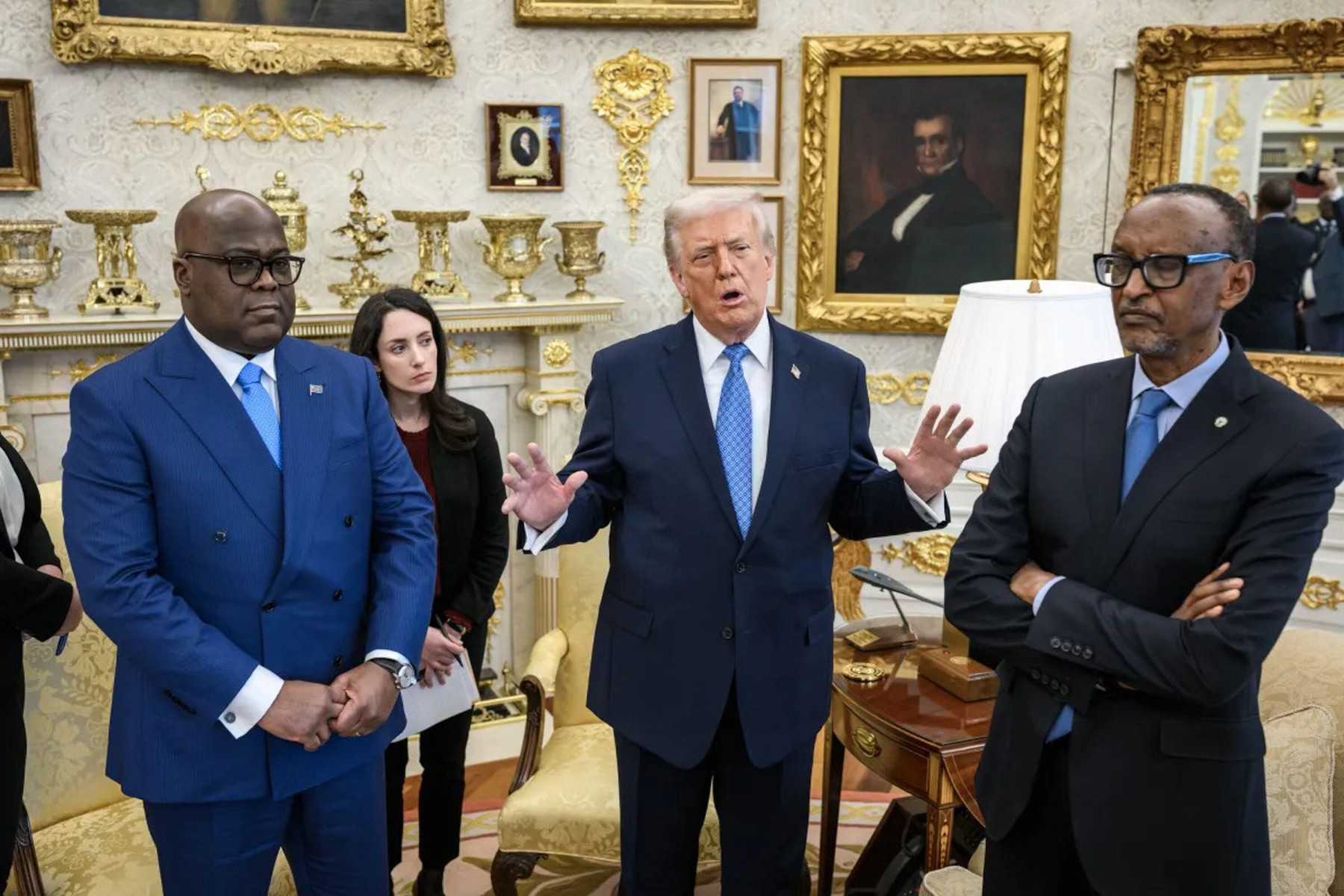
A peace agreement brokered by former President Donald Trump between the Democratic Republic of Congo and Rwanda appears to be collapsing. The Trump administration's strategy aimed to leverage U.S. political and economic influence to secure access to critical minerals from the DRC. Simultaneously, a successful peace accord would have enhanced Trump's international prestige.
While some progress was initially made, the peace process is now at risk of failure if American officials do not adapt their approach. This potential collapse also jeopardizes the desired outcomes for U.S. investments in Congo's mining sector, according to an analysis by Foreign Affairs. The core issue seems to be the effectiveness of the 'America First' approach when applied to complex African geopolitical and economic landscapes.
The 'America First' foreign policy doctrine, when applied to complex regional dynamics like those in Central Africa, faces inherent challenges. While leveraging economic power for resource access and seeking diplomatic prestige are understandable objectives, such strategies can falter if they do not adequately account for local political realities, historical grievances, and the intricate web of regional security concerns. The potential collapse of the peace deal suggests that a transactional approach may not be sufficient for fostering sustainable stability. Future U.S. engagement in the region might benefit from a more nuanced strategy that prioritizes inclusive diplomacy, regional cooperation, and long-term development alongside resource access, recognizing that lasting peace often requires addressing root causes rather than solely focusing on immediate gains.
AI-generated to prompt reflection — not editorial opinion, not advice, not a statement of fact. How this works.