Trump's DOJ Argues Against Public Lawsuits for Polluter Enforcement
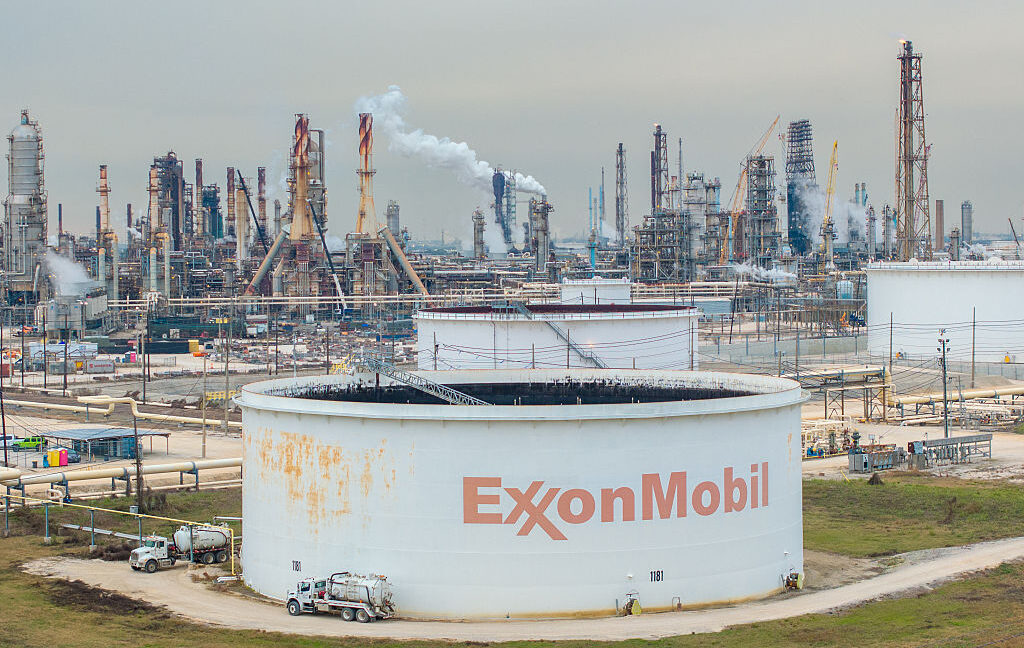
The Department of Justice (DOJ) under former President Donald Trump has asserted that citizens should no longer possess the authority to enforce environmental laws against polluters. This stance suggests a significant shift in how environmental regulations are upheld, potentially limiting public participation in legal actions aimed at protecting the environment. The argument, as presented by the DOJ, implies a desire to centralize enforcement power, possibly within government agencies, rather than allowing private citizens or environmental groups to initiate lawsuits. This approach could have far-reaching implications for environmental protection, as it might reduce the avenues available for holding companies and individuals accountable for pollution. The specific legal reasoning behind this position has not been detailed, but it appears to challenge established mechanisms for citizen suits that have been a feature of environmental law for decades. Such a change could empower industries by reducing the threat of private litigation, while potentially diminishing the role of the public in safeguarding natural resources. The implications for environmental justice and the enforcement of regulations like the Clean Water Act and Clean Air Act are significant.
This proposed shift in environmental law enforcement, moving away from citizen suits towards a more centralized governmental approach, raises questions about accountability and efficiency. While proponents might argue for streamlined enforcement and reduced litigation, critics could point to potential decreases in oversight and increased risk of regulatory capture. The long-term impact on environmental quality will likely depend on the capacity and political independence of the government agencies tasked with enforcement. Considering the accelerating pace of technological change and its environmental consequences, a robust and accessible enforcement framework, including avenues for public participation, is crucial for navigating the challenges of the next decade.
AI-generated to prompt reflection — not editorial opinion, not advice, not a statement of fact. How this works.
