Trump's Egotism Contrasted with Argentina's Poor Sportsmanship
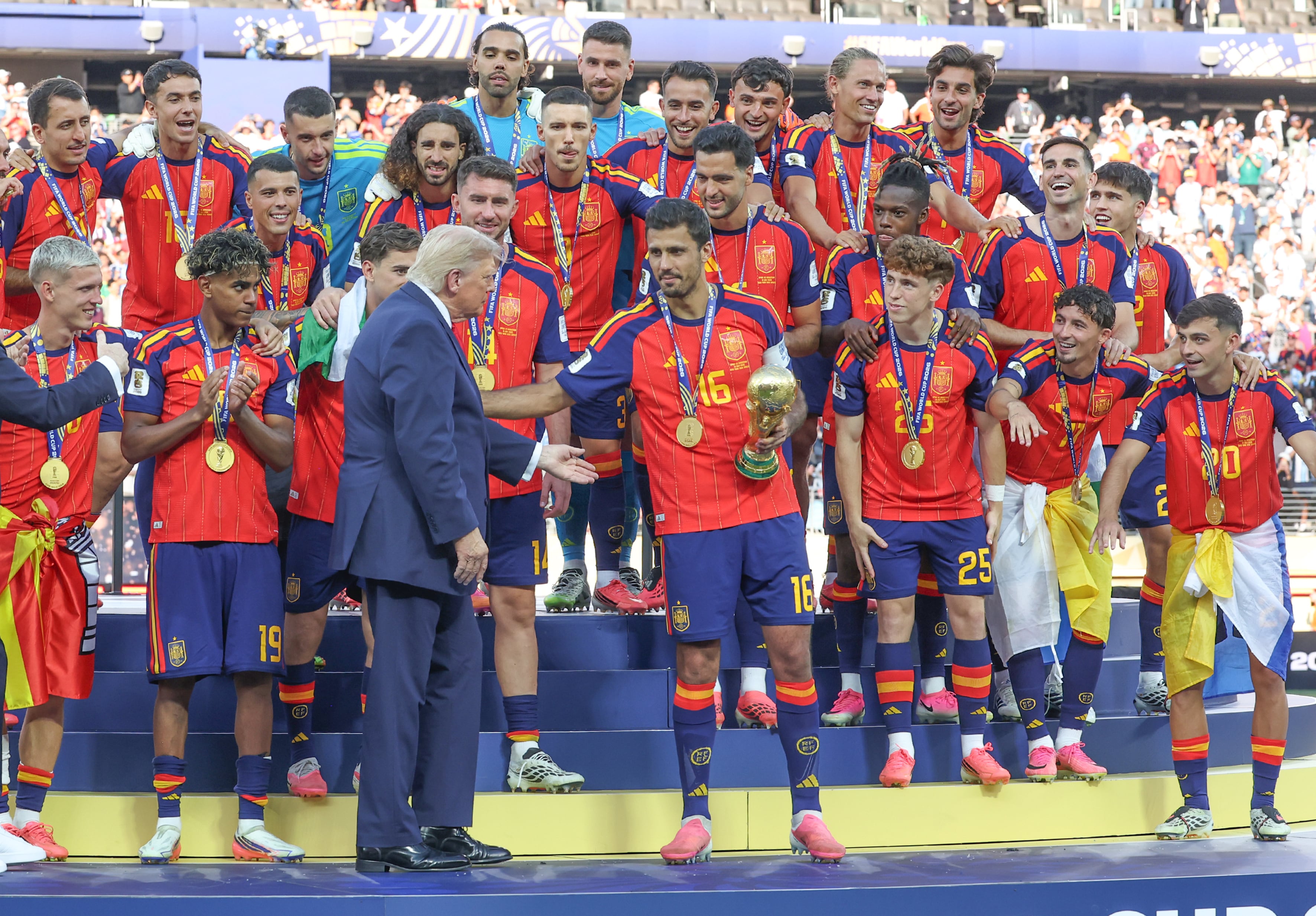
The article contrasts the perceived egotism of U.S. President Donald Trump with the poor sportsmanship attributed to Argentina. It suggests that Trump, despite his lack of knowledge about soccer, consistently seeks to be the center of attention in any event he participates in. This behavior is then juxtaposed with the Argentine tendency towards 'mal perder,' which translates to losing poorly or being a sore loser. The piece implies a shared characteristic of self-centeredness or an inability to gracefully accept outcomes, albeit manifested in different contexts. While Trump's focus is on maintaining his centrality in public appearances, the Argentine example points to a national disposition in sports where defeat is met with negativity or an unwillingness to concede gracefully. The author uses these two distinct examples to draw a parallel, suggesting a broader theme of ego and emotional response to competition or public roles.
This comparison highlights how public figures and national identities can be framed through the lens of ego and emotional response. The analysis of Trump's behavior focuses on the incentive structures of celebrity politics, where constant attention is a primary currency. The critique of Argentine sportsmanship, conversely, touches upon cultural norms around competition and national pride. Both instances, when stripped of emotional language, point to the human tendency to react strongly to perceived slights or losses, whether personal or collective. Examining these through the lens of the next decade, the increasing globalization of sports and the pervasive influence of social media may amplify such reactions, creating both opportunities for shared celebration and potential flashpoints for nationalistic tension. Understanding these dynamics is crucial for navigating international relations and cultural exchange in an increasingly interconnected world.
AI-generated to prompt reflection — not editorial opinion, not advice, not a statement of fact. How this works.