Trump's Election Claims Undermined by Evidence, Yet Suspicion Persists
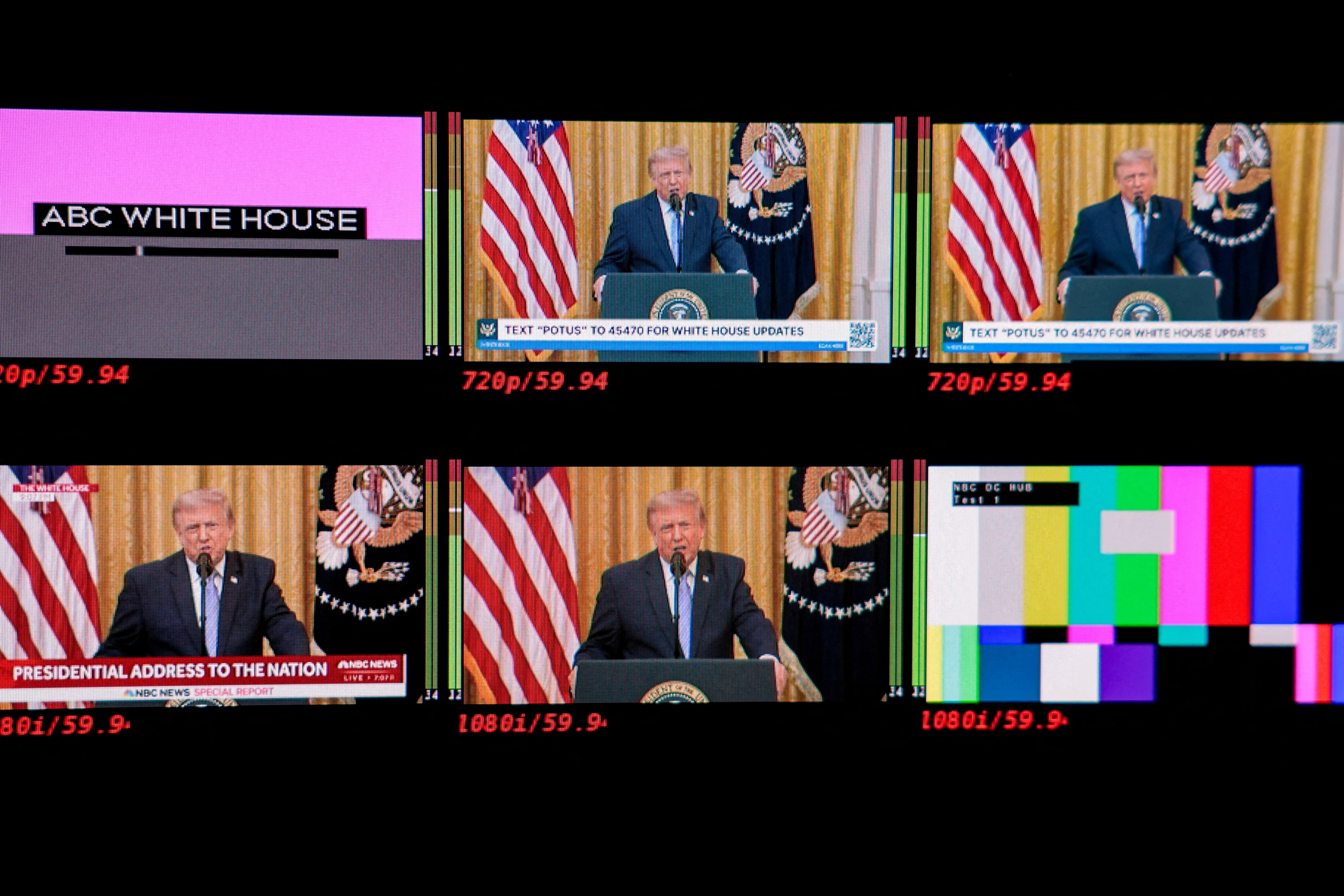
Documents related to the alleged 2020 election fraud do not support the claims made by former President Donald Trump. Despite the lack of proof, the appearance of revelation and the sowing of suspicion remain central to his narrative. This strategy focuses on creating an impression of uncovering hidden truths, rather than presenting verifiable facts. The ongoing dissemination of these narratives continues to influence public perception regarding the integrity of the electoral process. The emphasis is on the performance of revealing information, which serves to maintain doubt and distrust among his supporters. This approach has been a recurring theme in Trump's political discourse, aiming to mobilize his base through appeals to perceived injustices. The strategy appears designed to keep the narrative alive, regardless of factual contradictions. The impact of these persistent claims on democratic institutions remains a significant concern.
The persistent emphasis on unsubstantiated election fraud claims, despite contrary evidence, highlights a strategic use of narrative to maintain political influence. This approach leverages the psychological impact of perceived revelations to foster suspicion, potentially undermining trust in established electoral processes. From a systems perspective, such tactics can create a feedback loop where doubt, once seeded, is difficult to dislodge, impacting governance and public discourse. Looking ahead, the ability of political actors to shape narratives independent of factual verification poses a challenge to informed public decision-making in the digital age, emphasizing the need for robust media literacy and critical thinking skills.
AI-generated to prompt reflection — not editorial opinion, not advice, not a statement of fact. How this works.