Trump's Election Fraud Claims Debunked by Documents He Cited
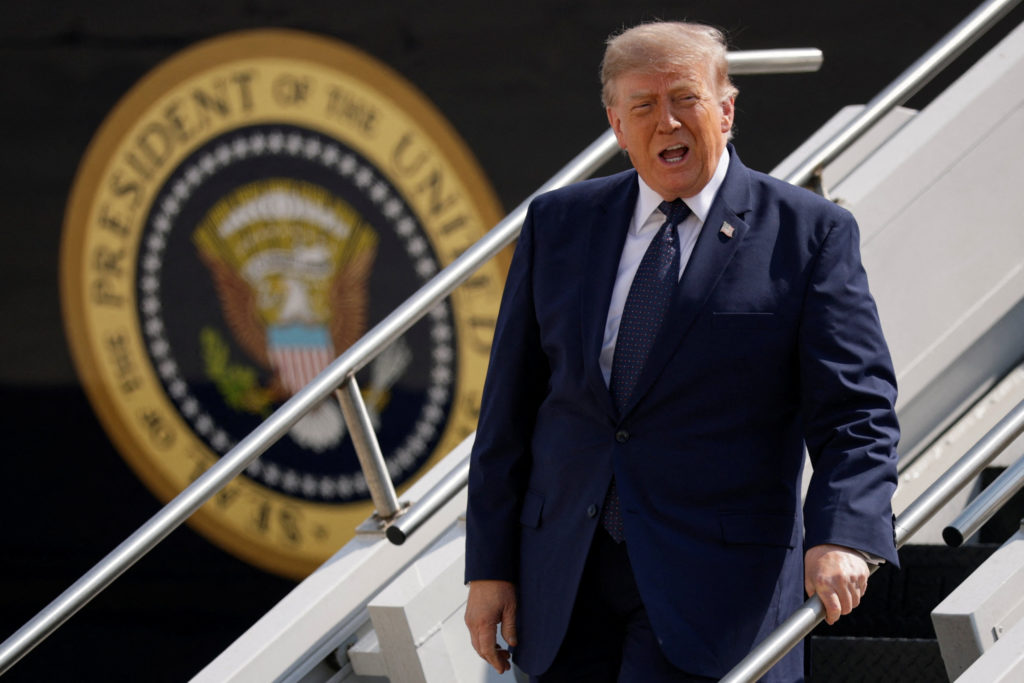
Former President Donald Trump has presented documents that he claims prove his allegations of widespread election fraud in the 2020 U.S. presidential election. However, these documents, when examined, do not support his assertions. David Becker, executive director of the Center for Election Innovation & Research, stated that the White House had promised a significant revelation but instead delivered something inconsequential. The documents Trump cited were intended to substantiate claims of irregularities and manipulation, but their actual content appears to contradict these narratives. Experts reviewing the materials have found no evidence of the systemic fraud that Trump has repeatedly alleged. This situation highlights a pattern where claims of election fraud have not been substantiated by evidence presented in official or public capacities. The discrepancy between Trump's claims and the actual content of the documents he presented underscores the ongoing debate and legal challenges surrounding the 2020 election results.
The presentation of documents by former President Trump, intended to validate claims of election fraud, appears to have instead highlighted the lack of substantiating evidence. This situation reflects a broader challenge in democratic systems where unsubstantiated allegations can gain traction, potentially undermining public trust in electoral processes. From a systems perspective, the tension lies between the right to contest election results and the imperative to maintain the integrity and public confidence in the established electoral framework. Future governance may need to address mechanisms for verifying and disseminating information regarding election integrity more effectively, ensuring that public discourse is grounded in verifiable facts and transparent processes. This event prompts consideration of how information environments influence public perception and the resilience of democratic institutions against disinformation.
AI-generated to prompt reflection — not editorial opinion, not advice, not a statement of fact. How this works.