Trump's Election Interference Claims Against China Escalate US-Beijing Rivalry
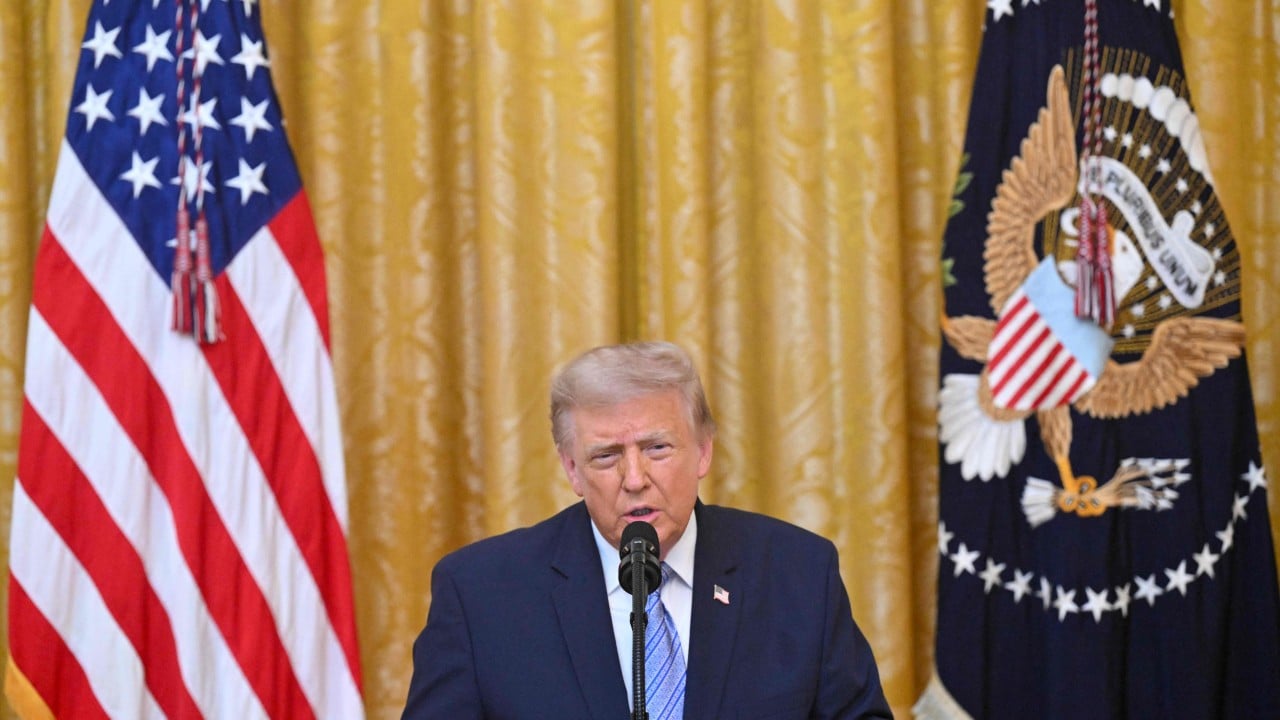
According to analysts, US President Donald Trump's recent prime-time address alleging Chinese interference in US elections represents a major escalation in the ongoing rivalry between Washington and Beijing. This move shifts the issue from a purely cyber-related dispute to a significant national security concern. The speech is considered important not just for its criticism of China, but for elevating the alleged election interference to a central theme within the national security narrative. This framing is seen as comparable to how Russia was previously positioned in similar discussions. The analysts suggest this elevates the stakes, potentially broadening the scope of bilateral tensions beyond economic and trade disagreements.
The framing of alleged foreign election interference as a core national security issue by the US President introduces a potent narrative into bilateral relations. This strategic communication can serve multiple purposes, including galvanizing domestic support, imposing diplomatic pressure, and potentially justifying future policy actions. From a geopolitical perspective, such accusations can reshape international perceptions and alliances, demanding careful consideration of verifiable evidence and international norms. The long-term implications may involve increased scrutiny of cross-border digital activities and a potential recalibration of diplomatic engagement, impacting global technological governance and information integrity frameworks over the next decade.
AI-generated to prompt reflection — not editorial opinion, not advice, not a statement of fact. How this works.