Trump's Election Law Push Sparks Fears of Self-Coup in the US
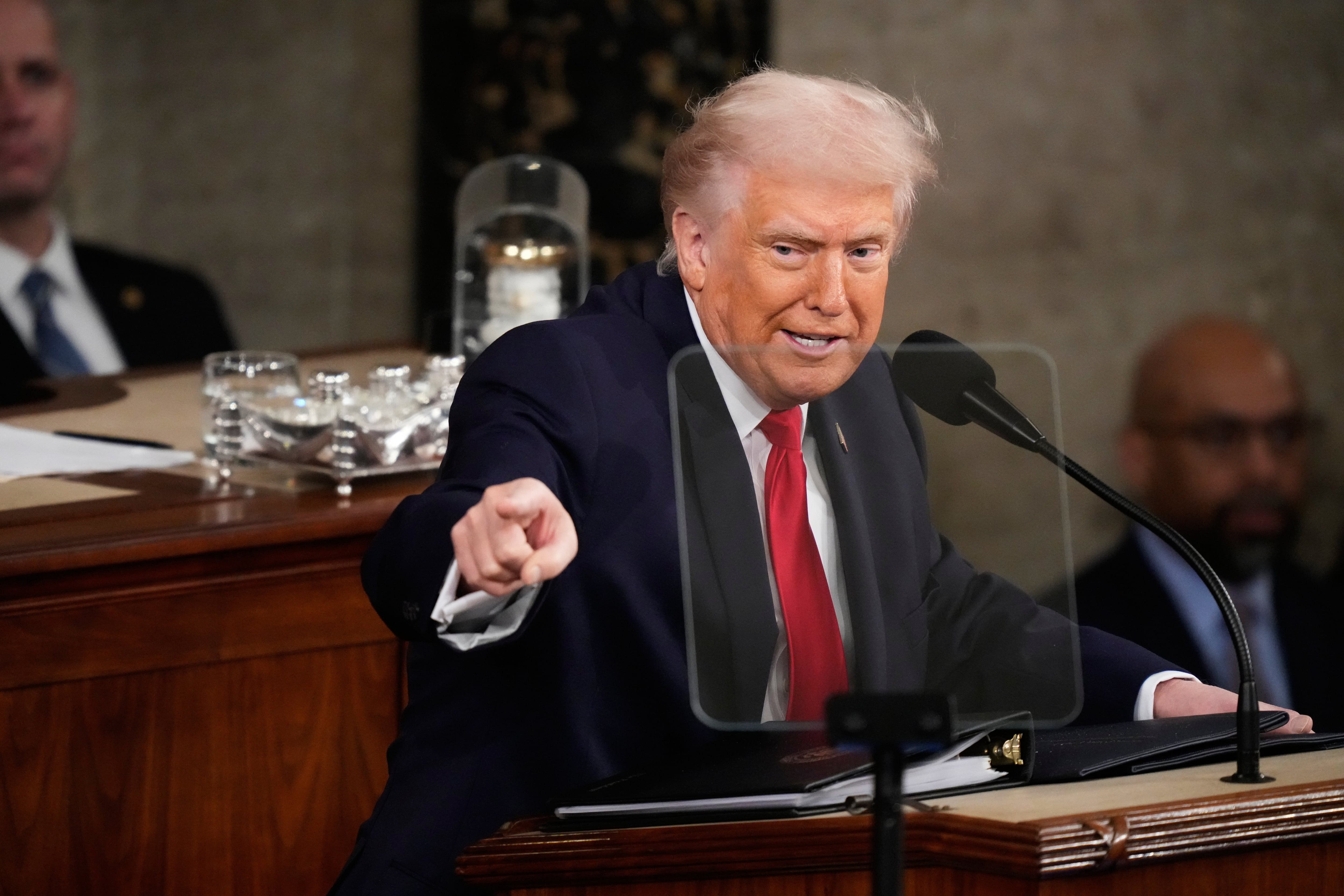
Donald Trump's efforts to alter the United States' electoral laws have raised significant concerns, prompting questions about the potential risk of a "self-coup." These actions are being closely watched by observers who fear they could undermine democratic processes. The former president's campaign to change election regulations across the country has ignited alarm bells among those who believe such moves could destabilize the electoral system. The specific nature of these proposed changes and their potential impact on future elections are at the center of the ongoing debate. This situation highlights the ongoing tensions surrounding election integrity and the legal frameworks governing them in the United States. The ramifications of these legal challenges could extend beyond the immediate electoral cycle, influencing the broader political landscape.
The focus on altering electoral laws by a former president raises questions about the stability of democratic institutions and the peaceful transfer of power. Such actions can be interpreted through the lens of political incentives, where attempts to reshape electoral rules might aim to secure future political advantages or challenge established outcomes. From a governance perspective, the robustness of legal checks and balances becomes paramount in navigating these challenges. The long-term implications may involve a re-evaluation of campaign finance regulations, voting access, and the certification of results, potentially impacting public trust in electoral processes for years to come. This situation underscores the importance of maintaining transparent and equitable electoral systems in the face of evolving political dynamics.
AI-generated to prompt reflection — not editorial opinion, not advice, not a statement of fact. How this works.