Trump's Failed Efforts to Lower Interest Rates
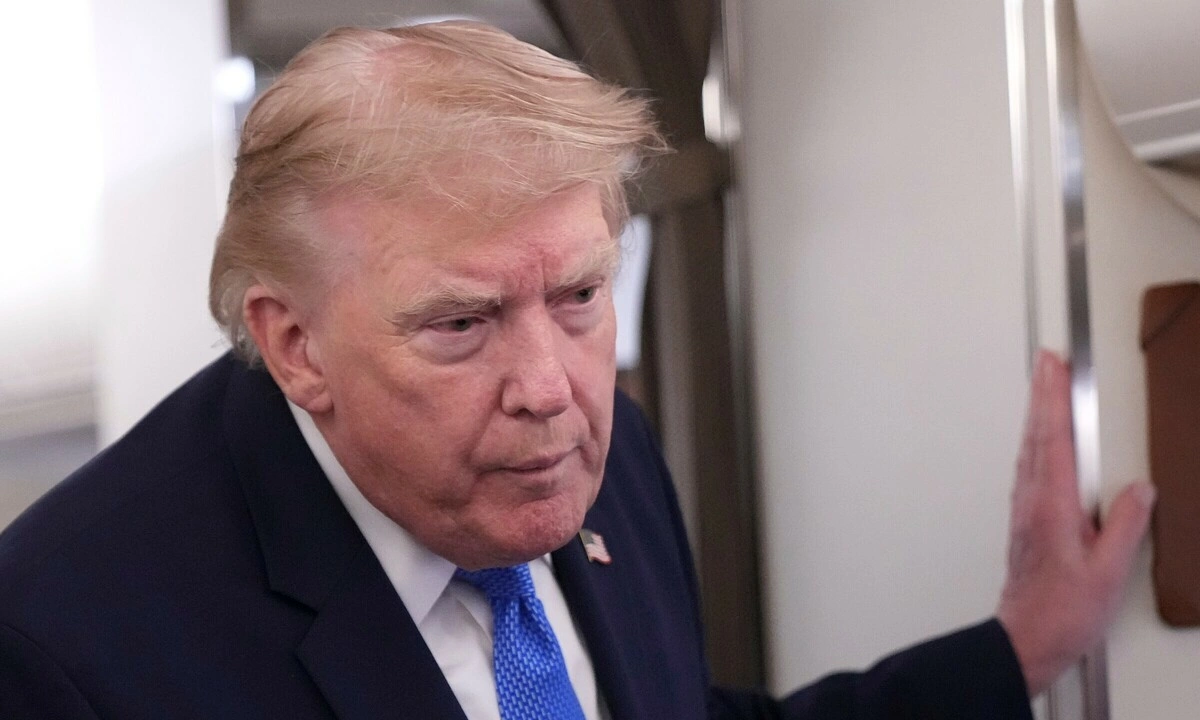
Former President Donald Trump's policies are cited as a reason for persistently high inflation, which has prevented the Federal Reserve (Fed) from lowering its benchmark interest rate. Consequently, yields on Treasury bonds have been on the rise. The article suggests that these inflationary pressures, exacerbated by Trump's economic strategies, created a challenging environment for monetary policy adjustments. The Fed's inability to cut rates has had a ripple effect across financial markets, impacting borrowing costs and investment decisions. The upward trend in Treasury yields indicates that investors are demanding higher returns, likely due to inflation expectations and the current interest rate environment. This situation underscores the complex interplay between fiscal policy, inflation, and monetary policy, particularly during periods of economic uncertainty.
The interplay between fiscal policy decisions and central bank actions, such as interest rate adjustments, is a critical determinant of macroeconomic stability. Policies that contribute to inflationary pressures can constrain the monetary authority's flexibility, potentially leading to higher borrowing costs for governments and businesses. This dynamic highlights the importance of coordinated economic strategies that balance growth objectives with price stability. Over the next decade, the increasing sophistication of AI in economic modeling may offer new insights into predicting and managing such policy trade-offs, aiming for more resilient economic outcomes.
AI-generated to prompt reflection — not editorial opinion, not advice, not a statement of fact. How this works.
