Trump's FIFA Call Sparks World Cup Controversy Over Player's Red Card Reversal
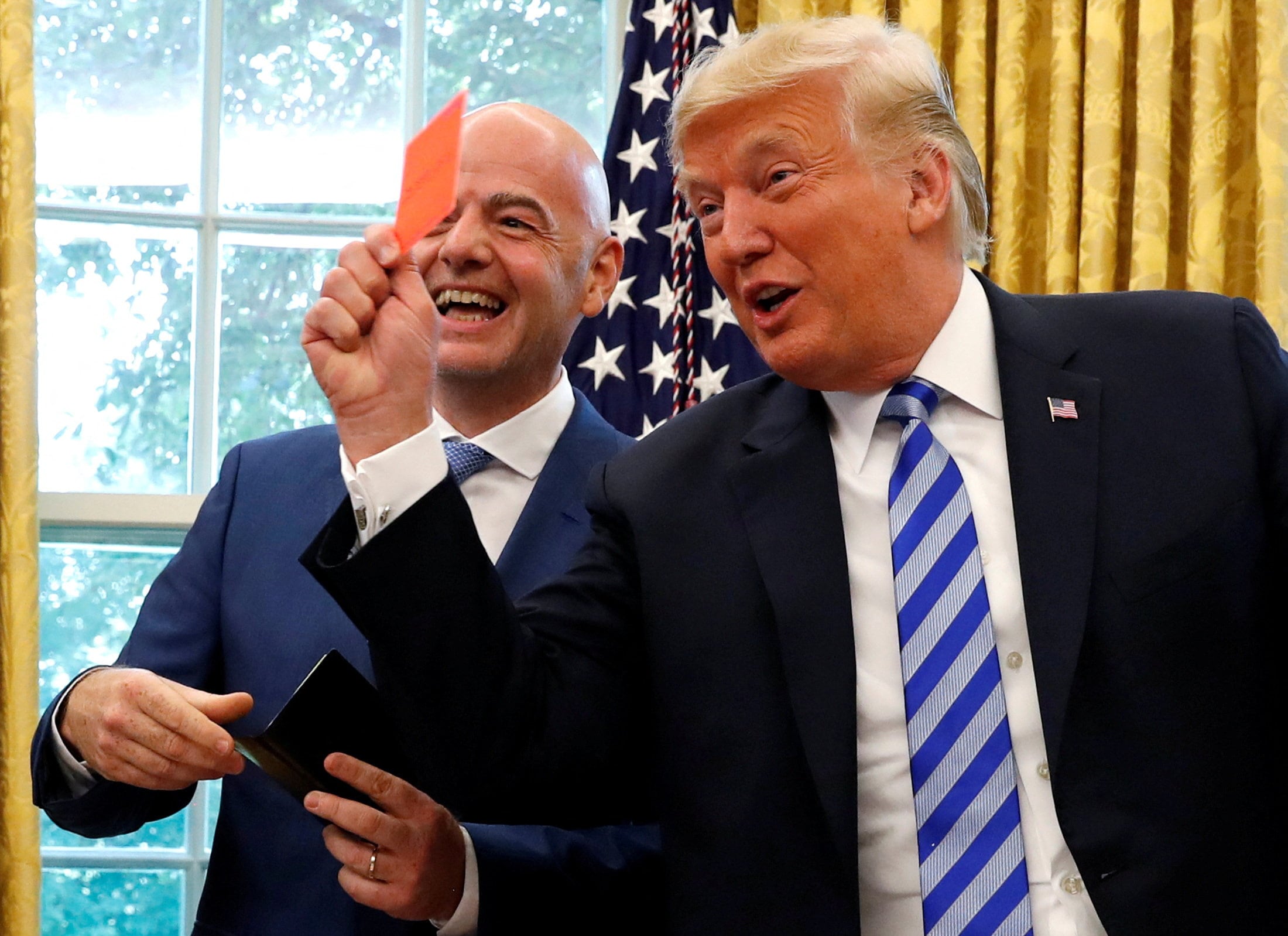
A controversy has erupted at the World Cup following a phone call placed by U.S. President Donald Trump to FIFA President Gianni Infantino. The call reportedly urged Infantino to review a red card issued to footballer Balogun. This intervention has fueled suspicions, particularly given the existing "old friendship" between the U.S. president and the FIFA head. The subsequent withdrawal of the sanction against Balogun has intensified scrutiny of the situation. The incident raises questions about potential undue influence in sporting decisions. The relationship between political leaders and international sports governing bodies is now under a microscope. The specific details of the conversation and the exact nature of the "old friendship" remain points of public interest. This event highlights the complex interplay between politics and international sports administration.
The reported intervention by a head of state in a FIFA disciplinary matter, specifically concerning a player's red card, introduces a significant governance challenge. While the intent may have been to ensure perceived fairness, such direct engagement risks undermining the autonomy and established disciplinary processes of international sports federations. The perception of undue influence, regardless of the outcome, can erode public trust in the integrity of sporting competitions. Moving forward, FIFA and other governing bodies must reinforce transparent protocols that clearly delineate the boundaries between political influence and independent sporting judgment. This situation underscores the need for robust internal governance structures that are resilient to external pressures, ensuring that decisions are based on established rules and evidence, thereby safeguarding the credibility of the sport on a global scale.
AI-generated to prompt reflection — not editorial opinion, not advice, not a statement of fact. How this works.