Trump's Financial Disclosure Sparks New Tax Questions and Ethical Concerns
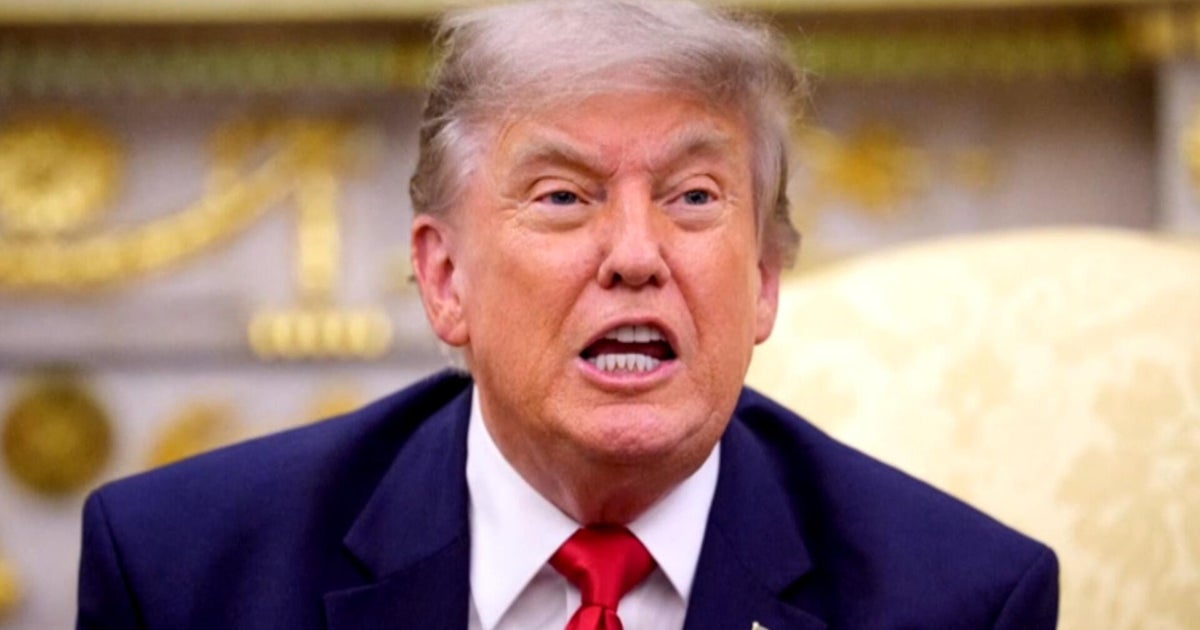
President Trump's recently released financial disclosure is prompting renewed scrutiny regarding his tax payments and potential ethical conflicts. Observers are questioning whether the presidency is a source of personal profit for the president. CBS News senior White House correspondent Weijia Jiang is reporting on these developments. The disclosure has amplified existing concerns about the president's financial dealings and transparency. It raises the broader question of how much tax revenue is being generated from his business activities while in office. This situation underscores a recurring theme of transparency challenges surrounding the president's finances. The public's right to know about the financial interests of elected officials is a key aspect of democratic accountability. The ongoing questions suggest a persistent lack of clarity regarding President Trump's tax obligations and potential conflicts of interest.
The release of President Trump's financial disclosure raises questions about the intersection of political office and personal wealth, specifically concerning tax obligations and potential conflicts of interest. Such disclosures are intended to provide transparency and allow for public and regulatory oversight of officials' financial activities. The persistent questions surrounding these disclosures highlight the tension between executive privilege and the public's right to information, particularly in an era where financial transparency is increasingly valued. Future administrations may need to navigate evolving public expectations and regulatory frameworks for financial disclosures to maintain trust and ensure accountability.
AI-generated to prompt reflection — not editorial opinion, not advice, not a statement of fact. How this works.