Trump's Financial Gains: A Costly Proposition?
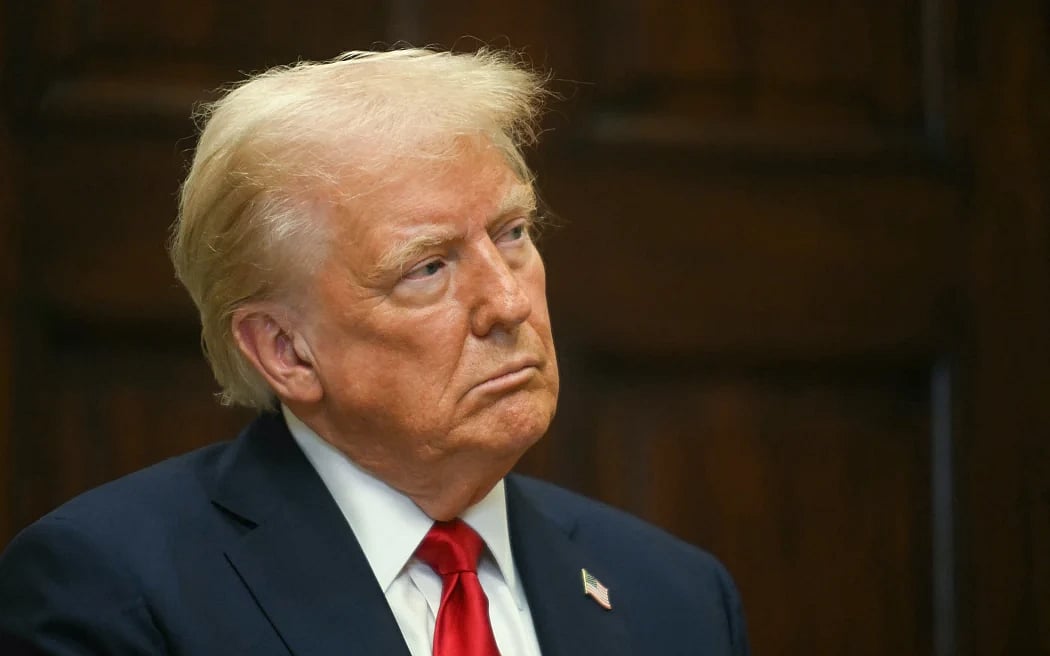
Donald Trump recently boasted about financial benefits while boarding a luxurious "Air Force One" aircraft, reportedly acquired from Qatar for $400 million. He declared, "We are all benefiting." However, the reality for ordinary citizens appears to be quite different. This statement suggests a disconnect between the perceived gains of public figures and the economic experiences of the general populace. The acquisition of such an opulent aircraft raises questions about resource allocation and priorities, especially when contrasted with the financial struggles faced by many. The disparity highlighted implies that the benefits Trump alluded to may not be universally shared.
The statement "We are all benefiting" from a $400 million aircraft acquisition, juxtaposed with the assertion that "ordinary people's reality is different," points to a potential divergence in economic outcomes. This highlights a common tension in public discourse where large-scale expenditures or policy decisions are framed as universally advantageous, yet may disproportionately benefit specific groups or individuals. Analyzing the incentive structures behind such pronouncements and expenditures is crucial. Understanding who truly accrues value from these transactions, and how this aligns with broader societal welfare, is essential for evaluating the sustainability and equity of economic policies in the coming decade, particularly as resource constraints and public scrutiny intensify.
AI-generated to prompt reflection — not editorial opinion, not advice, not a statement of fact. How this works.