Trump's Foreign Policy Swings Create Uncertainty for Allies and Adversaries
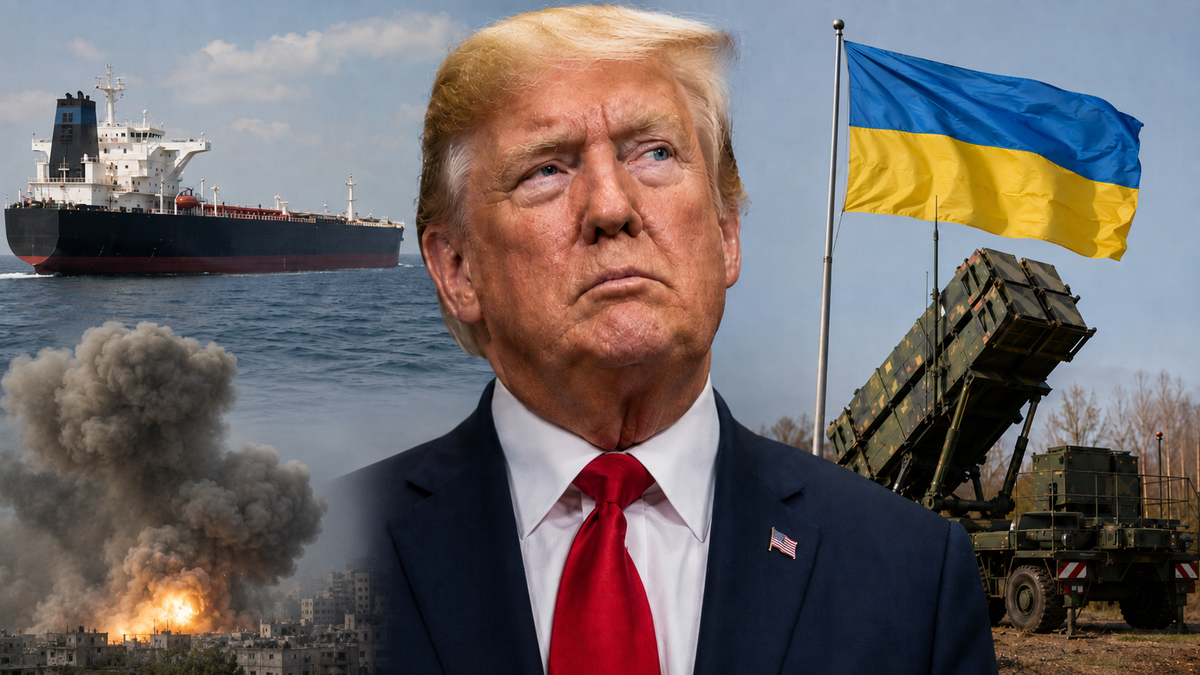
President Trump's foreign policy decisions have created significant unpredictability for both allies and adversaries alike. His approach, characterized by frequent shifts in stance, makes it difficult for other nations to anticipate his next move. This has been evident in his dealings with various international players and regions. The constant changes in direction leave stakeholders questioning the stability of U.S. foreign policy. This uncertainty can impact diplomatic relations, trade agreements, and international security. Both friendly nations and rival countries are struggling to adapt to this dynamic. The administration's approach seems to prioritize transactional outcomes over long-term strategic alliances. This has led to a complex geopolitical landscape where trust and predictability are diminished. The impact of these shifts is felt globally, affecting global stability and international cooperation.
The Trump administration's foreign policy has demonstrated a pattern of frequent and significant shifts, creating a climate of uncertainty for global actors. This approach, while potentially aimed at maximizing short-term leverage or achieving specific transactional goals, introduces considerable risk by undermining the predictability essential for stable international relations. Allies and adversaries alike face challenges in formulating long-term strategies when the foundational assumptions of U.S. policy can change rapidly. This dynamic may incentivize nations to pursue more independent or diversified foreign policy paths, potentially leading to a more fragmented global order. The long-term implications for U.S. influence and the stability of international institutions warrant careful consideration as the global landscape evolves.
AI-generated to prompt reflection — not editorial opinion, not advice, not a statement of fact. How this works.