Trump's Hormuz Strait Toll Idea Quickly Dismissed Amid Geopolitical Concerns
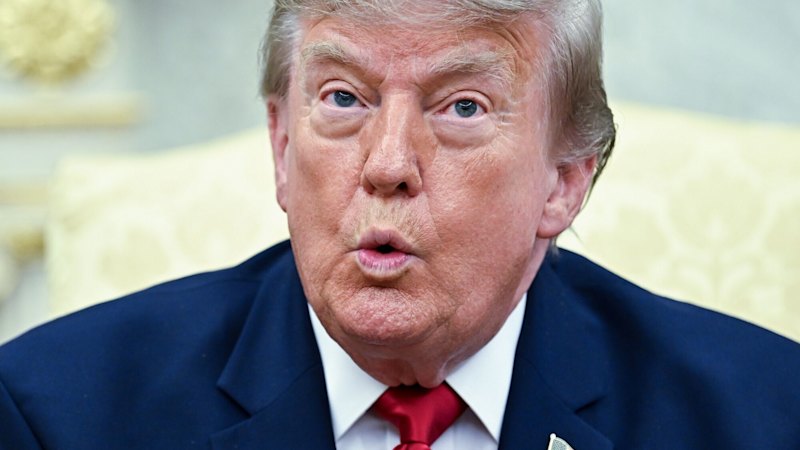
A proposal reportedly floated by former US President Donald Trump to impose a 20% toll on ships transiting the Strait of Hormuz has been met with significant skepticism and appears to have been a short-lived idea. The concept suggested that the United States could levy charges on maritime traffic passing through this critical chokepoint. Critics have labeled the proposal as "grasping at straws," indicating a lack of serious consideration or feasibility. Furthermore, the idea has been criticized for potentially providing Iran with more leverage or "ammunition" in the region. Some analyses suggest that if US actions inadvertently enabled Iran to weaponize the strait, such a toll proposal would only exacerbate the situation. The Strait of Hormuz is a vital waterway, crucial for global oil transport, and any disruption or perceived weaponization carries significant geopolitical and economic ramifications.
The concept of imposing tolls on strategic maritime chokepoints like the Strait of Hormuz, while seemingly a novel revenue or leverage strategy, overlooks complex geopolitical realities and international maritime law. Such proposals, if seriously considered, could destabilize energy markets and escalate regional tensions, potentially empowering adversaries by creating new grievances. From a systems perspective, the security and free passage of such waterways are typically managed through international cooperation and established norms, not unilateral financial impositions. Future governance models for critical global commons will likely need to balance national interests with collective security and economic stability, particularly in an era of increasing geopolitical competition and technological disruption.
AI-generated to prompt reflection — not editorial opinion, not advice, not a statement of fact. How this works.