Trump's Iran Policy Undermines US Strategy Against China in the Middle East
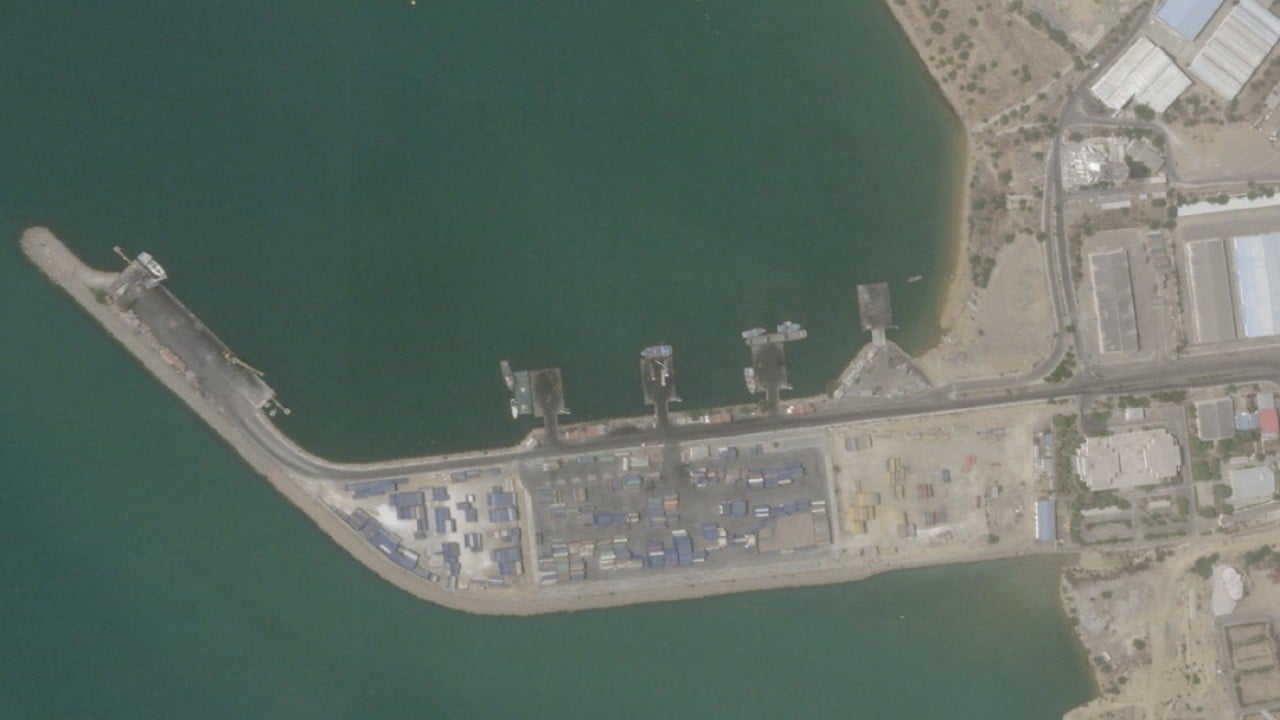
Decades of US efforts to curb China's strategic growth are being undermined in the Middle East by current sanctions and the war against Iran. These actions are dismantling a key asset previously established to constrain Beijing's regional influence. India had strongly supported the Iranian port of Chabahar, envisioning it as a trade route to Afghanistan and Central Asia that would circumvent Pakistan. This port was also intended to serve as a strategic counterweight to the Chinese-operated Gwadar port in Pakistan. The current US approach risks diminishing the effectiveness of these strategic initiatives designed to limit Chinese expansion.
The strategic implications of US policy in the Middle East, particularly concerning Iran, warrant careful consideration in the context of long-term geopolitical competition with China. Actions that inadvertently weaken regional partners or destabilize key trade routes may create vacuums that adversaries can exploit. Evaluating the interconnectedness of global trade, regional security, and great power rivalry is crucial for developing sustainable strategies. Future policy should aim to bolster alliances and economic partnerships that serve mutual interests, rather than inadvertently undermining them, ensuring that US influence is maintained through constructive engagement rather than reactive measures.
AI-generated to prompt reflection — not editorial opinion, not advice, not a statement of fact. How this works.