Trump's Iran Stance Faces Voter Backlash Ahead of November Election
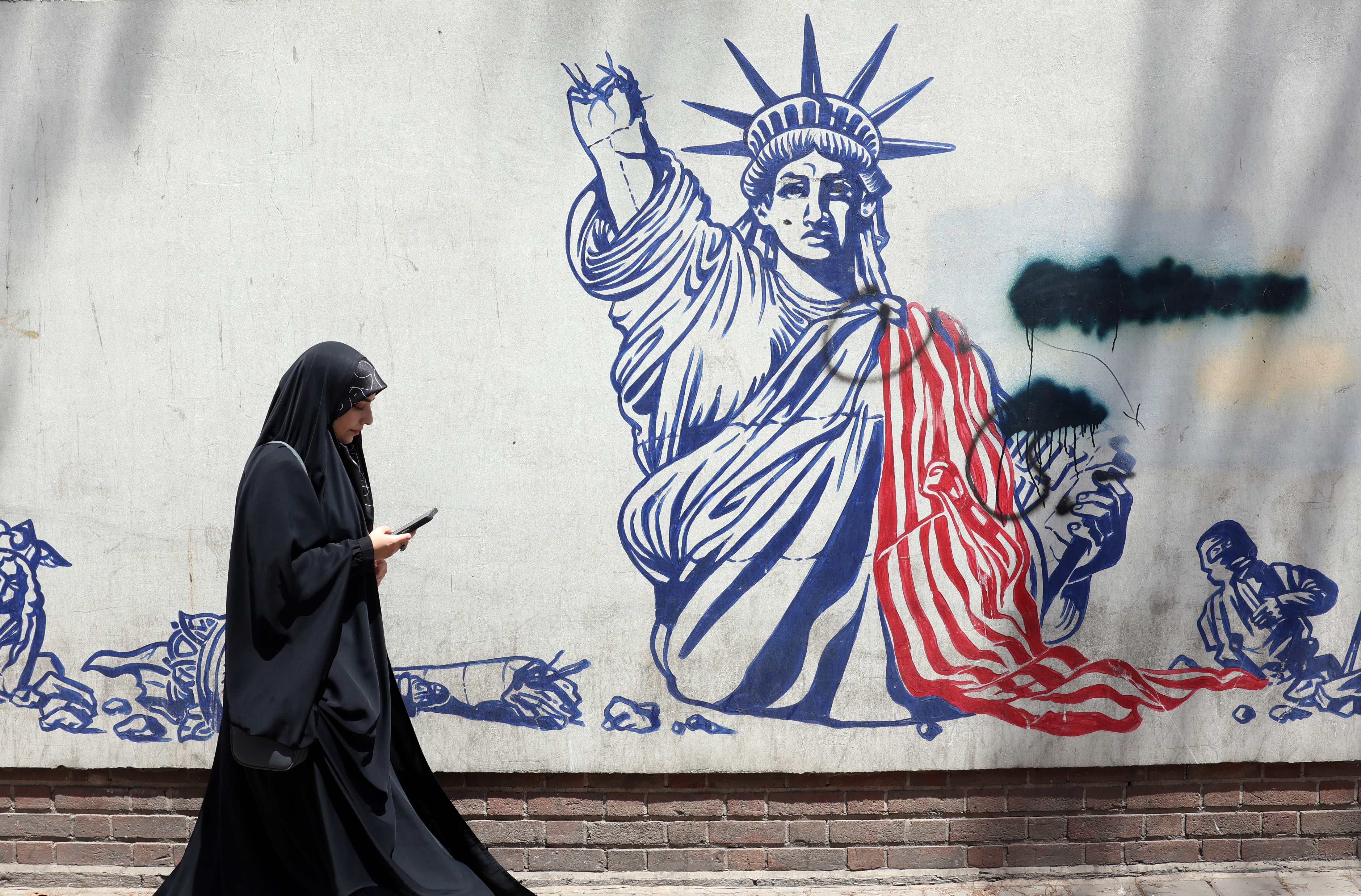
Former President Donald Trump's renewed conflict with Iran is creating significant political challenges for his reelection prospects. The issue of engaging with Iran has proven to be unpopular among voters, placing leaders in a difficult position as the upcoming election in November approaches. This lack of public support for a confrontation with Iran could jeopardize the electoral success of those advocating for or involved in such a stance. The political landscape suggests that a hawkish approach towards Iran is not resonating with the electorate. Therefore, the ongoing tensions with Iran present a considerable hurdle that Trump and his allies must overcome to secure victory in the next election cycle. The domestic political implications of foreign policy decisions, particularly concerning Iran, are becoming increasingly apparent.
The political viability of foreign policy decisions, particularly those involving prolonged or renewed conflict, is subject to domestic electoral pressures. When a significant portion of the electorate views such conflicts as unpopular or detrimental, it creates a strategic dilemma for incumbent or aspiring leaders. This dynamic highlights the tension between geopolitical objectives and the imperative of voter approval in democratic systems. The challenge lies in balancing national security considerations with the immediate demands of public opinion, especially in the lead-up to a general election. Future political strategies may need to account more directly for this electorate-driven constraint on foreign policy engagement.
AI-generated to prompt reflection — not editorial opinion, not advice, not a statement of fact. How this works.