Trump's Iran Standoff Creates Financial Strain for Pentagon Amid Intelligence Doubts
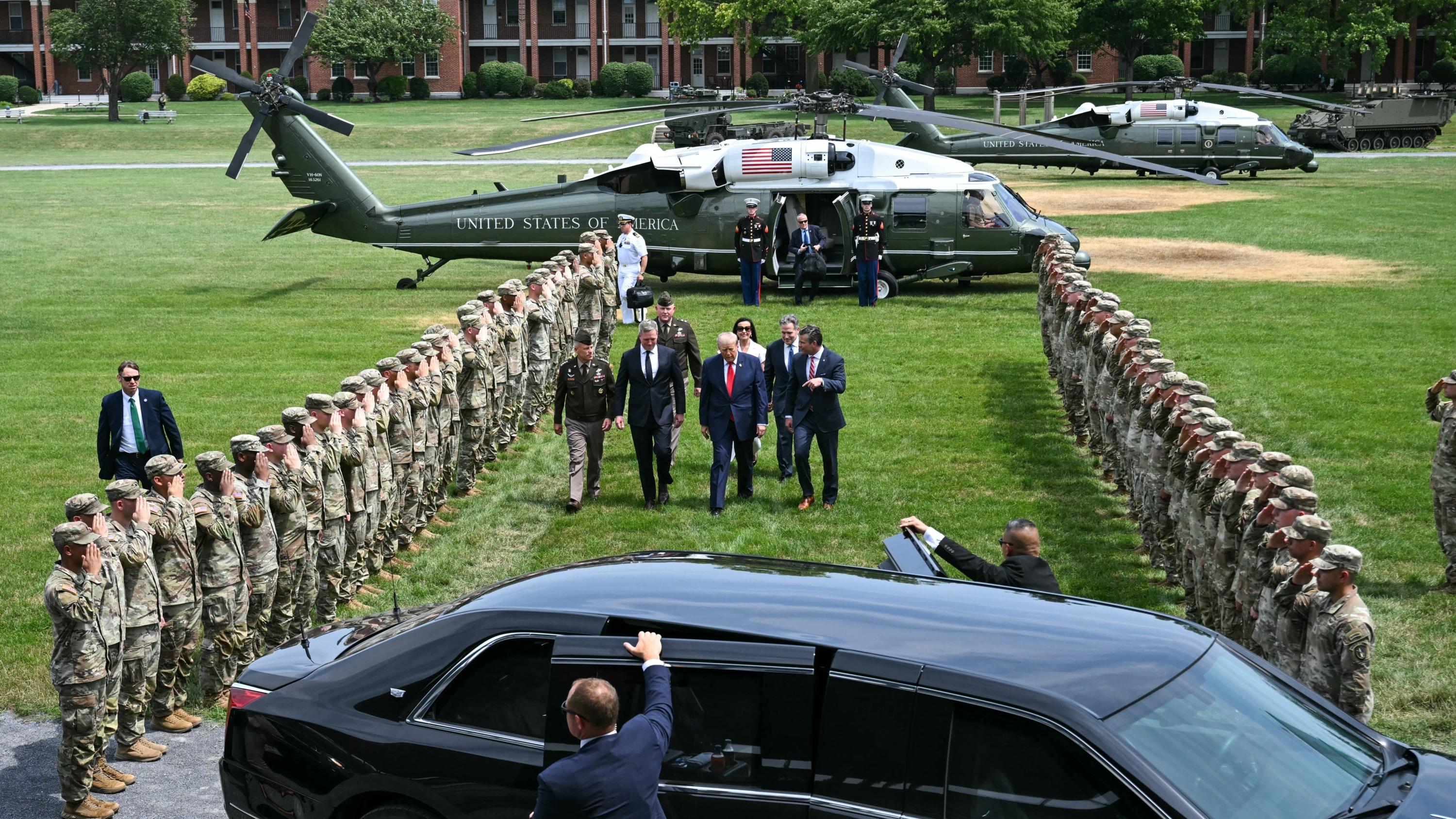
U.S. President Donald Trump finds himself in a difficult situation regarding Iran, as his administration faces significant financial pressure on the Pentagon. Intelligence assessments indicate that Iran is not significantly affected by renewed American strikes. This assessment suggests that the current strategy of applying pressure through military actions may not be yielding the desired results. The Pentagon's budget is reportedly under strain due to the ongoing tensions and potential for escalation in the region. The intelligence community's findings raise questions about the effectiveness of the current approach, which relies on military deterrence and punitive measures. This impasse highlights a strategic challenge for the U.S. in managing its relationship with Iran. The situation is further complicated by the financial implications for the U.S. military. The effectiveness of sanctions and military actions as tools of foreign policy is being re-evaluated in light of these developments. The administration must now consider alternative strategies that may address the underlying issues without imposing undue financial burdens or yielding diminishing returns.
The strategic dilemma presented by the U.S. approach to Iran underscores a common challenge in international relations: the efficacy of coercive measures versus the potential for unintended consequences. When intelligence suggests that kinetic actions are not achieving strategic objectives, the financial and political costs associated with maintaining such pressure can become unsustainable. This situation prompts a re-evaluation of incentive structures and the potential for diplomatic engagement. Future policy decisions may need to balance the immediate demands of national security with the long-term fiscal health of defense institutions and the potential for de-escalation through non-military channels. The current impasse highlights the need for adaptive strategies that can pivot based on evolving intelligence and geopolitical realities, particularly in an era where information warfare and economic interdependence play increasingly significant roles.
AI-generated to prompt reflection — not editorial opinion, not advice, not a statement of fact. How this works.