Trump's Iran Threats and US-Saudi Nuclear Deal Discussed
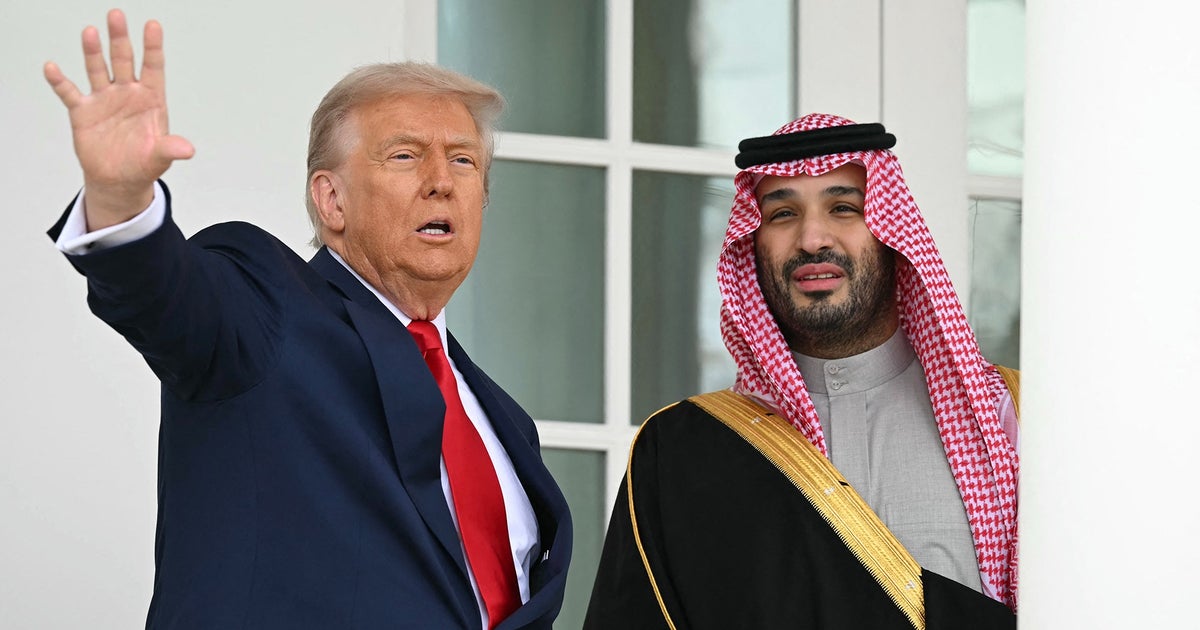
National security analyst Aaron MacLean discussed two significant foreign policy developments: President Trump's threats against Iranian infrastructure and a new nuclear deal between the United States and Saudi Arabia. The analysis focused on the implications and potential consequences of these actions on regional stability and international relations. MacLean provided insights into the strategic considerations behind the U.S. administration's approach to Iran, particularly in light of past escalations and ongoing tensions. He also elaborated on the specifics of the nuclear agreement with Saudi Arabia, examining its terms and the potential benefits and risks for both nations. The discussion aimed to provide a clearer understanding of the complex geopolitical landscape in the Middle East and the role of the United States within it. The conversation highlighted the delicate balance of power and the intricate diplomatic maneuvers involved in managing relationships with key regional players. MacLean's expertise offered a critical perspective on these evolving situations, underscoring the importance of careful diplomatic engagement and strategic foresight.
The confluence of direct threats against Iranian infrastructure and a new nuclear agreement with Saudi Arabia presents a complex strategic dynamic. This dual approach may be intended to exert pressure on Iran while simultaneously solidifying alliances in the region. However, such actions carry inherent risks, potentially escalating regional tensions and triggering retaliatory measures. The long-term implications for nuclear proliferation and regional security frameworks warrant careful consideration. Future policy decisions will need to balance immediate geopolitical objectives with the imperative of fostering sustainable stability and de-escalation in the Middle East, particularly in the context of evolving global power structures and technological advancements.
AI-generated to prompt reflection — not editorial opinion, not advice, not a statement of fact. How this works.