Trump's Iran threats risk repeating past US military mistakes
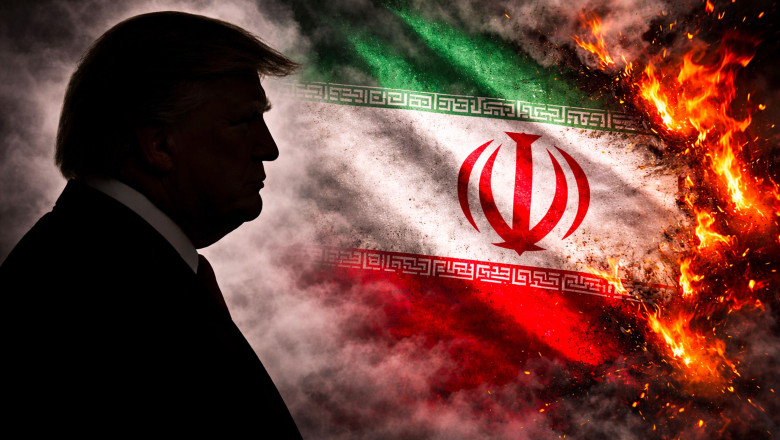
US President Donald Trump has intensified airstrikes against Iran and is considering expanding military operations. However, many analysts believe that further escalation is unlikely to compel Tehran to make concessions, according to Reuters. The approach mirrors past strategies where increased military pressure did not yield the desired political outcomes. This situation highlights a recurring challenge in US foreign policy, particularly concerning Iran. The current tensions suggest a potential for miscalculation, which could lead to unintended consequences. Analysts are closely watching the situation to see if diplomatic channels can be utilized to de-escalate the conflict. The effectiveness of military threats versus diplomatic engagement remains a key point of debate.
The rhetoric of escalating military action against Iran, as articulated by President Trump, presents a strategic dilemma. While intended to force concessions, historical precedent suggests that such tactics may not achieve desired policy shifts and could instead entrench existing positions. The underlying incentive structure for both nations involves national security perceptions and regional influence, making a purely military approach potentially counterproductive. Evaluating this situation through a future-oriented lens, the increasing reliance on coercive measures in international relations, especially in the context of emerging global power dynamics and technological advancements, warrants a critical examination of long-term efficacy versus short-term political gains. This approach risks overlooking opportunities for de-escalation through sustained diplomatic engagement and mutual understanding.
AI-generated to prompt reflection — not editorial opinion, not advice, not a statement of fact. How this works.