Trump's July 4th fireworks briefly made Washington the world's most polluted city
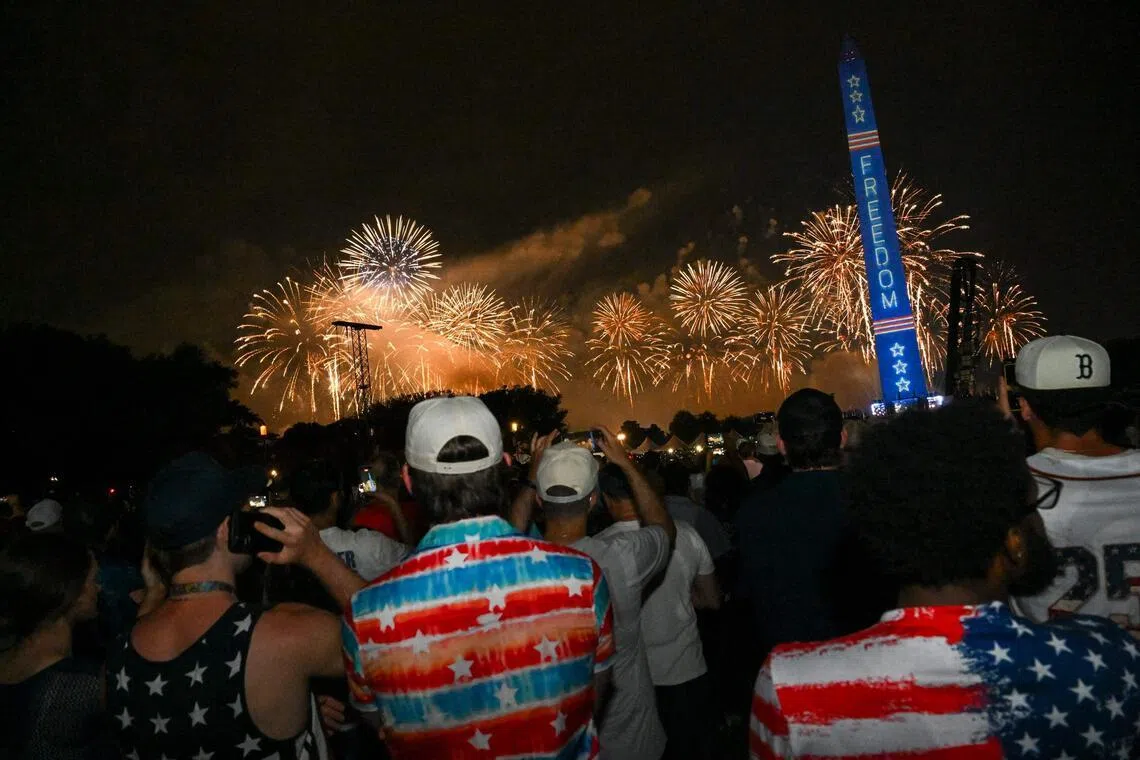
Washington D.C. experienced a significant spike in air pollution on July 5th, becoming the world's most polluted major city for a brief period. This extreme pollution event occurred between approximately 3 a.m. and 5 a.m. on the morning of July 5th. The primary cause identified for this drastic increase in air quality degradation was the extensive fireworks displays held in celebration of Independence Day on July 4th. The pyrotechnics released a large volume of particulate matter into the atmosphere, which accumulated significantly during the early morning hours. This concentration of pollutants temporarily surpassed levels seen in other major urban centers globally. The event highlights the substantial environmental impact that large-scale public celebrations involving fireworks can have on local air quality.
The temporary elevation of Washington D.C.'s air pollution levels to the world's highest, following July 4th fireworks, underscores the immediate environmental externalities of large public celebrations. While fireworks are a traditional component of holiday festivities, their pyrotechnic emissions contribute directly to particulate matter accumulation. This event serves as a case study on the trade-offs between cultural practices and environmental health, particularly in densely populated urban areas. Future considerations may involve exploring alternative celebratory methods or implementing stricter emission controls and public advisement protocols to mitigate such short-term, yet severe, impacts on air quality, aligning with broader public health and environmental sustainability goals in the coming decade.
AI-generated to prompt reflection — not editorial opinion, not advice, not a statement of fact. How this works.