Trump's Limited Options in Iran Conflict
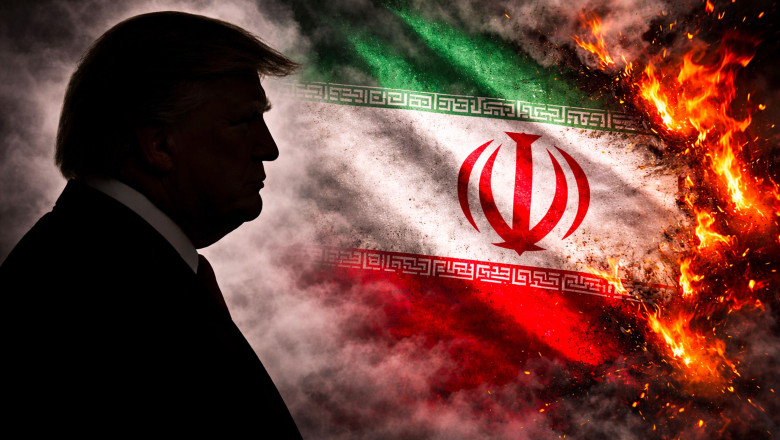
President Donald Trump frequently highlights his unpredictable nature as a strategy to keep allies and adversaries uncertain. Approximately 13 months ago, he reportedly considered bombing Iranian nuclear facilities, and earlier this year, he contemplated sending Delta Force commandos to Venezuela to capture President Nicolas Maduro. Trump has stated that his actions are only constrained by his own morality, suggesting a willingness to employ significant military force. He views himself as wielding immense power, capable of actions that would have deterred his predecessors. This approach underscores a perceived freedom from conventional constraints, limited only by his personal ethical boundaries.
President Trump's stated willingness to employ decisive military action, even against targets like Iranian nuclear facilities or Venezuelan leadership, suggests a foreign policy approach prioritizing unilateral assertiveness. This strategy relies on projecting unpredictability to deter adversaries, but it risks alienating allies who may prefer more coordinated diplomatic or economic measures. The inherent tension lies between the perceived benefits of rapid, decisive action and the potential for unintended escalation or strategic isolation. Future foreign policy may need to balance such assertive postures with established alliance structures and international norms to ensure long-term stability and achieve sustainable geopolitical objectives.
AI-generated to prompt reflection — not editorial opinion, not advice, not a statement of fact. How this works.