Trump's Mood to Dictate Tone of NATO Summit, Analysts Say
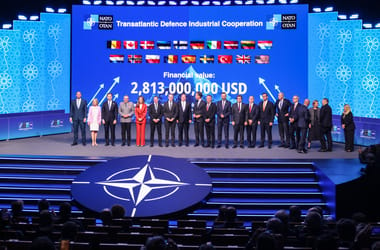
The upcoming NATO summit's agenda will focus on demonstrating transatlantic unity, addressing the Iranian crisis, and assessing member states' progress on increasing defense spending. However, a significant undercurrent of concern exists regarding the necessity of annual summits when there is a persistent fear that U.S. President Donald Trump may further erode trust within the alliance. His disposition and statements are widely anticipated to heavily influence the overall atmosphere and outcomes of the meeting. Many observers question the value of these gatherings if they are consistently overshadowed by potential disruptions from the American president. The emphasis on unity and specific policy discussions may be overshadowed by the unpredictable nature of Trump's engagement. The summit aims to present a united front, but the prevailing sentiment among many is one of apprehension about President Trump's potential impact on alliance cohesion and diplomatic progress. The discussions are expected to be robust on key security issues, but the underlying tension related to U.S. commitment will likely remain a central theme.
The dynamics of international alliances often hinge on the perceived commitment and stability of key member states. When a leading nation's posture is perceived as potentially disruptive, it can create systemic uncertainty, impacting long-term strategic planning and resource allocation for all members. This situation highlights a tension between the institutional goals of collective security and the unpredictable influence of individual leadership. The focus on defense spending and geopolitical crises, while critical, may be complicated by internal alliance confidence issues. Future alliance structures may need to incorporate mechanisms for greater predictability and resilience against such leadership-driven volatility, ensuring that institutional objectives are not unduly compromised by shifting political sentiments.
AI-generated to prompt reflection — not editorial opinion, not advice, not a statement of fact. How this works.