Trump's NATO Criticisms Highlight Real Alliance Costs, Urging Clear-Eyed U.S. Policy
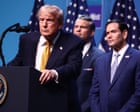
Former President Donald Trump has consistently criticized the burden-sharing within global alliances, notably NATO, arguing that the U.S. carries too much weight. This stance, which he expressed through public statements and even a 1987 newspaper ad, was reiterated during his first term, where he threatened NATO withdrawal and publicly berated allies. Recent NATO gatherings suggest that Trump's unilateral approach may be losing traction as global dynamics shift, particularly concerning U.S. influence in Iran. While Trump's methods were often counterproductive, his core observation about the costs of alliances holds merit. Political opponents of Trump, including Democrats and Republicans, are advised not to blindly support existing alliances without a clear-eyed assessment of their financial and strategic implications for Americans. Failure to acknowledge these costs, as the author suggests President Biden may have done regarding Israel, risks alienating voters and potentially fueling the populist sentiments that propelled Trump into power. Christopher S. Chivvis, a senior fellow at the Carnegie Endowment for International Peace, authored this analysis, emphasizing the need for a balanced perspective on international commitments.
Donald Trump's consistent critique of alliance burden-sharing, while delivered with disruptive rhetoric, points to a persistent tension in international relations concerning the distribution of costs and benefits. The analysis suggests that a pragmatic approach to alliances requires a clear-eyed assessment of national interests and resource allocation, rather than an uncritical acceptance or outright rejection of collective security frameworks. Future U.S. foreign policy may benefit from developing more transparent mechanisms for evaluating alliance contributions and ensuring equitable cost-sharing, thereby mitigating the populist backlash that can arise from perceived imbalances. This approach could foster greater domestic support for international engagement by demonstrating tangible value and responsible stewardship of national resources in a complex geopolitical landscape.
AI-generated to prompt reflection — not editorial opinion, not advice, not a statement of fact. How this works.