Trump's NATO Record Under Scrutiny Ahead of Ankara Summit
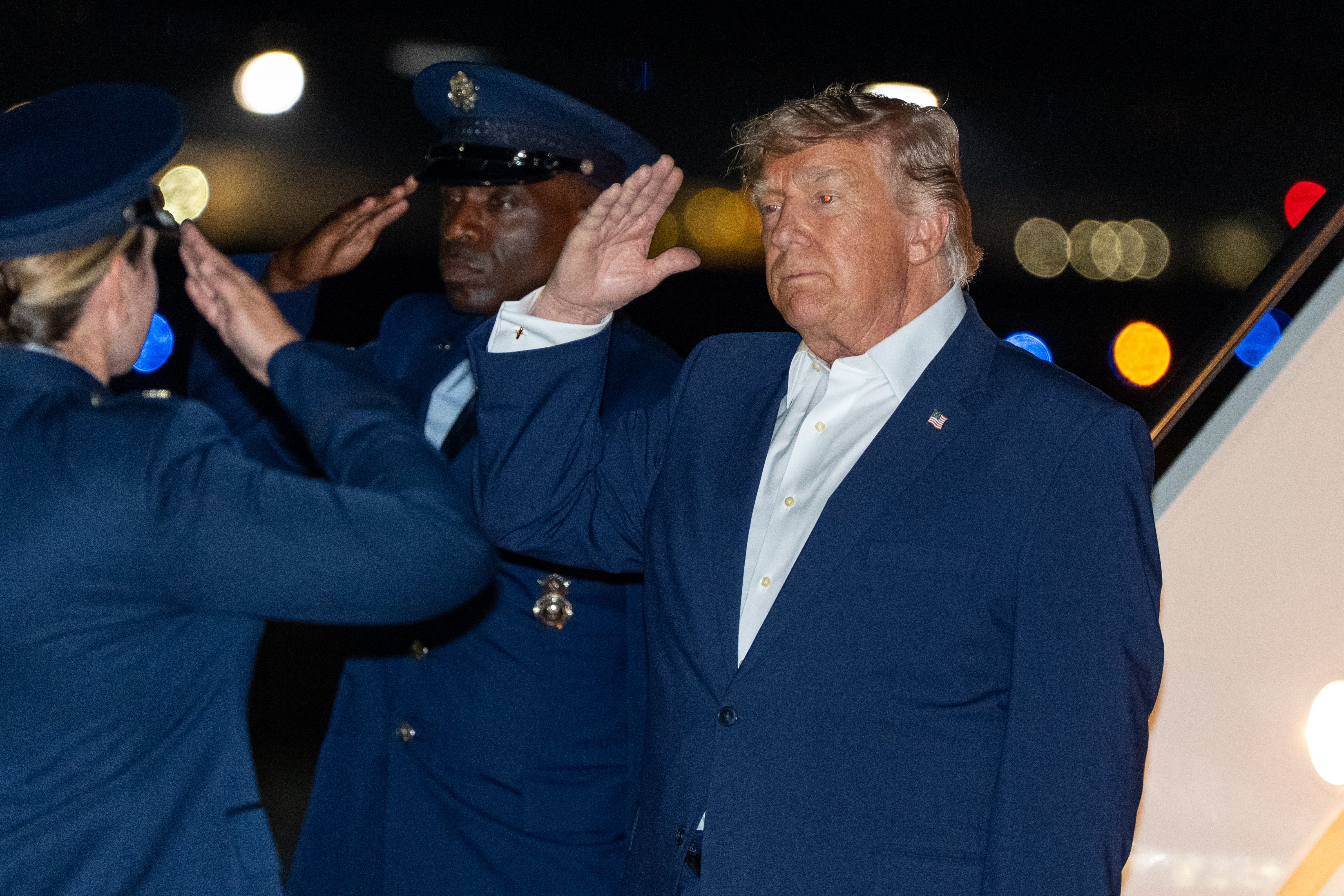
Donald Trump is approaching the NATO summit in Ankara with a questionable track record regarding the alliance. His presidency was marked by significant challenges to the established order of international cooperation. Trump frequently questioned the value of NATO, demanding that member states increase their defense spending to meet a 2% of GDP target. He often expressed skepticism about collective security agreements, suggesting that the United States bore an unfair burden. This stance created considerable tension within the alliance and raised concerns among European allies about American commitment. The summit in Ankara is expected to be a critical juncture for assessing the future of NATO and Trump's role within it.
Donald Trump's approach to NATO often centered on transactional demands for increased financial contributions from member states, framing alliance membership through a lens of direct cost-benefit for the United States. This perspective contrasts with the alliance's foundational principles of collective security and mutual defense, which prioritize geopolitical stability and shared threat assessment. The tension arises from differing interpretations of alliance value: one emphasizing immediate financial returns, the other focusing on long-term strategic deterrence and diplomatic influence. Future iterations of such alliances may need to reconcile these divergent incentive structures to maintain cohesion and effectiveness in a rapidly evolving global landscape.
AI-generated to prompt reflection — not editorial opinion, not advice, not a statement of fact. How this works.