Trump's NATO Remarks Dominate Summit, Sparking Trade Disputes and Greenland Claims
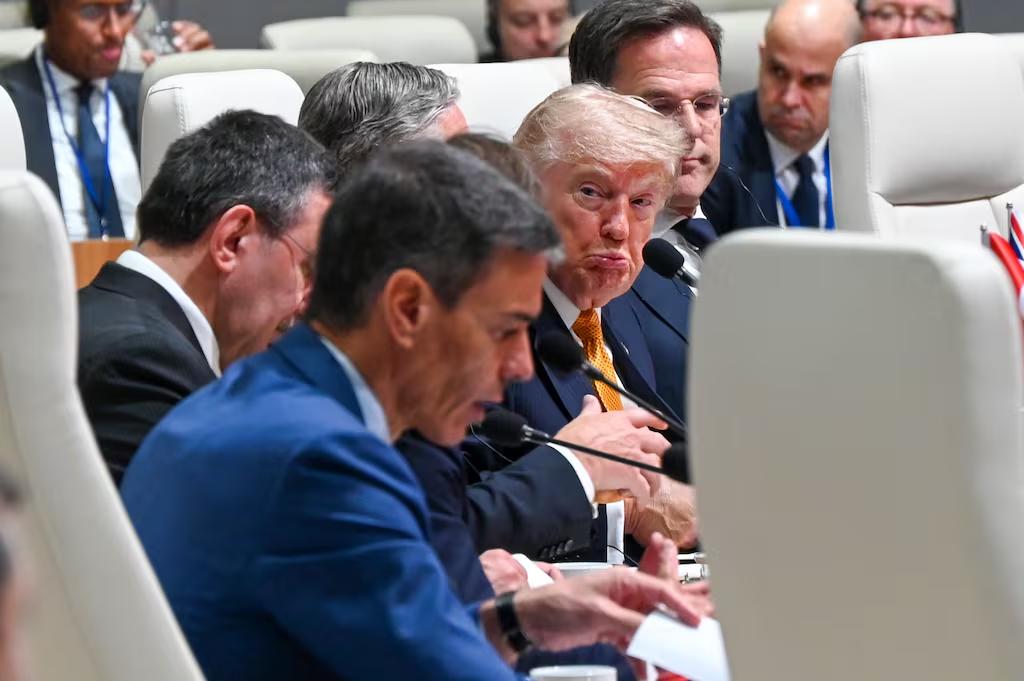
The recent NATO summit, intended to showcase European unity, was largely overshadowed by controversial statements made by Donald Trump. European leaders had hoped to project a strong, unified front during the gathering. However, Trump's remarks introduced significant disruptions, focusing on trade disputes with Spain and surprisingly, a renewed claim over Greenland. These assertions diverted attention from the summit's primary agenda and raised concerns among allies about the stability of transatlantic relations. The unexpected focus on bilateral trade issues and territorial claims complicated the diplomatic efforts of the summit. Allies were left to navigate the fallout from Trump's pronouncements, which seemed to prioritize individual deals over collective security. The summit's intended message of solidarity was thus significantly undermined.
Donald Trump's public statements at the NATO summit appear to have prioritized transactional diplomacy and nationalistic interests over traditional alliance cohesion. The emphasis on bilateral trade disputes with Spain and the assertion of claims over Greenland suggest a strategy of leveraging alliances for perceived immediate gains, potentially creating friction within the established security framework. This approach may reflect an incentive structure focused on short-term economic or political victories, which could, however, strain long-term strategic partnerships. The tension between individual state interests and collective security objectives is a recurring theme in international relations, and how NATO members navigate these diverging priorities will shape the alliance's effectiveness in the coming decade, particularly in the face of evolving global challenges.
AI-generated to prompt reflection — not editorial opinion, not advice, not a statement of fact. How this works.