Trump's NATO Stance to Be Tested at Ankara Summit
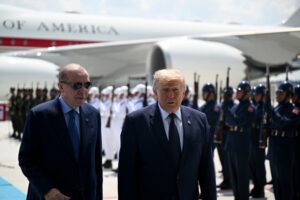
NATO Secretary General Mark Rutte visited Washington in late June, reportedly well-prepared for discussions with Donald Trump. During their meeting, Trump expressed dissatisfaction with European allies' support for the U.S., particularly concerning the conflict with Iran. Rutte responded positively, highlighting NATO's efforts and showcasing visual aids to underscore alliance contributions. The article suggests that Trump's approach is poised to challenge the cohesion and unity of the NATO alliance. This upcoming challenge is anticipated to be a central theme at the summit in Ankara. The implications of Trump's stance could significantly impact transatlantic security dynamics and burden-sharing within the alliance. The summit will likely serve as a critical juncture for assessing the future direction of NATO under potential renewed pressure from the United States.
This event highlights a recurring tension within NATO regarding defense spending and burden-sharing, often amplified by specific U.S. administrations. The dynamic suggests a potential conflict between national interests, as perceived by the U.S., and the collective security framework of the alliance. Future iterations of NATO will likely need to develop more robust mechanisms for ensuring equitable contributions and demonstrating tangible value to all member states, particularly in the face of evolving global security threats and shifting geopolitical priorities. The challenge lies in reconciling divergent strategic outlooks while maintaining operational readiness and political solidarity.
AI-generated to prompt reflection — not editorial opinion, not advice, not a statement of fact. How this works.