Trump's NATO Threats Continue Amidst Declining Domestic Support
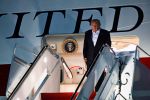
Donald Trump's aggressive rhetoric towards NATO allies persists, despite indications that his domestic support for such confrontational policies is waning. While his threats continue, Trump appears to be sensing a diminishing backing at home for his assertive plans. This suggests a potential disconnect between his public pronouncements and the political capital available to implement them.
The situation implies that while Trump may continue to engage in bluster regarding NATO, the practical ability to enact significant policy shifts or to rally substantial domestic support for these initiatives may be limited. This dynamic could lead to a period of continued verbal sparring without necessarily translating into concrete actions that fundamentally alter the alliance's structure or his country's commitment to it.
The persistent threats from Donald Trump towards NATO allies, juxtaposed with perceived declining domestic support, highlight a common tension in political leadership between public posturing and the practicalities of governance. This dynamic suggests that external policy actions may be constrained by internal political realities and evolving public sentiment. Looking ahead, the resilience of international alliances like NATO will likely depend on the ability of their members to navigate such internal political shifts while maintaining collective security objectives. The long-term implications involve understanding how domestic political currents can influence international commitments and the strategic stability of global partnerships in the coming decade.
AI-generated to prompt reflection — not editorial opinion, not advice, not a statement of fact. How this works.