Trump's New Tariff Excludes Meat, Preserving Key Export Advantage to US
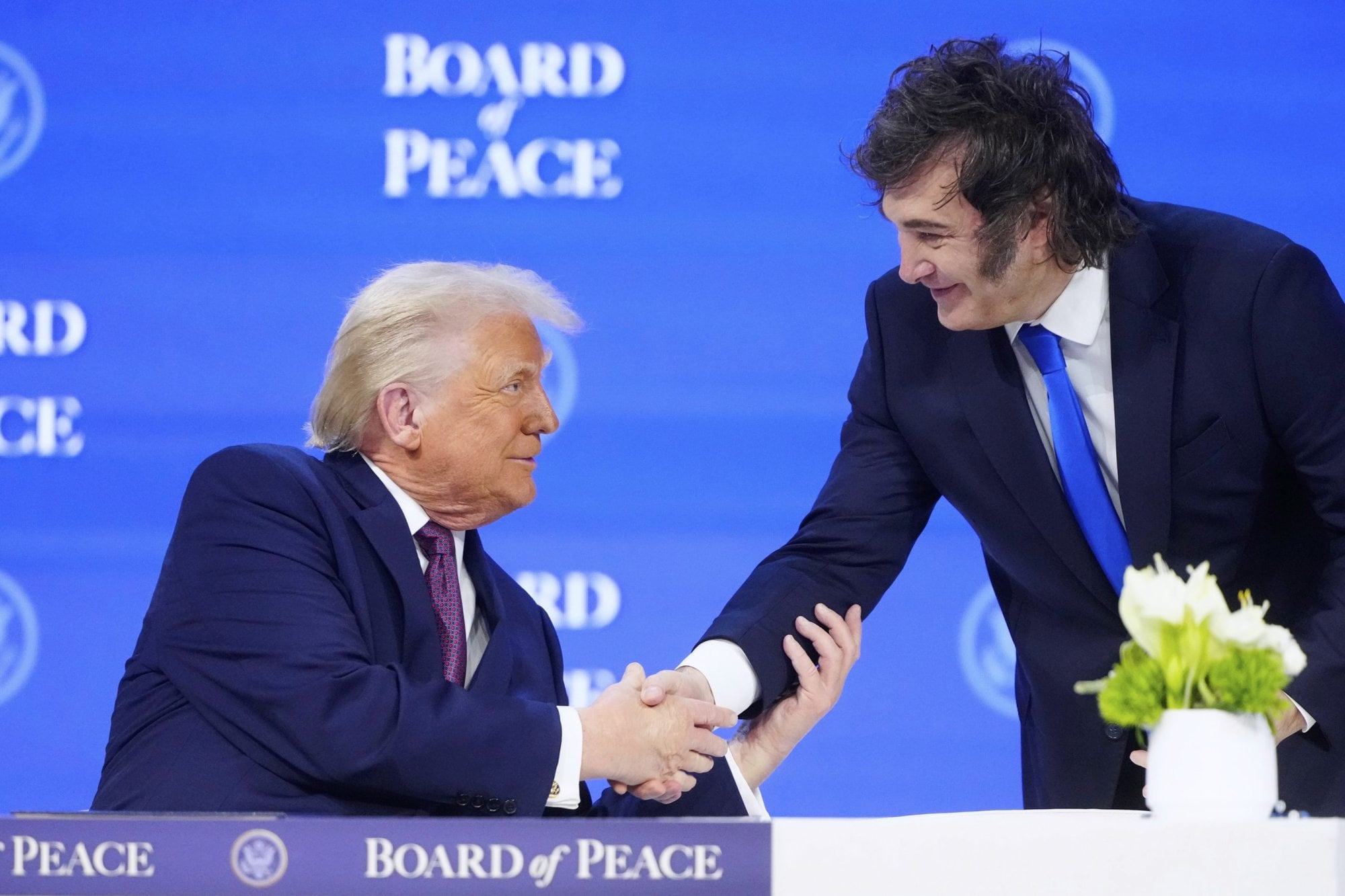
The meat sector has celebrated a significant victory as it has been exempted from new tariffs announced by the Trump administration. This exclusion preserves the preferential access for meat products to the United States market, which has become a major export destination. The continued exception is crucial for the industry, as it maintains a key competitive advantage for selling to the US. This preferential access is particularly important following the recent expansion of the quota to 100,000 tons. The decision ensures that the meat industry can continue to benefit from favorable trade conditions with the US, avoiding the financial impact that tariffs would have imposed. This strategic exemption is seen as a positive development for exporters who rely on the US market.
The decision to exempt meat from new tariffs highlights the complex interplay of trade policy, domestic industry influence, and geopolitical considerations. By excluding meat, the administration likely aimed to avoid alienating a powerful agricultural lobby and to maintain favorable trade balances in specific sectors. This move underscores how targeted tariff exemptions can be used as a tool to manage economic relationships and support key domestic industries. Looking ahead, such selective trade measures may become more common as nations navigate evolving global supply chains and seek to protect strategic economic interests in an increasingly competitive international landscape.
AI-generated to prompt reflection — not editorial opinion, not advice, not a statement of fact. How this works.