Trump's New Tariffs: Will India Face Increased Difficulties?
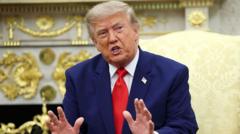
Former US President Donald Trump has announced plans to impose new tariffs on approximately 60 countries, including India. Furthermore, he has expressed an intention to levy tariffs on generic medicines. This development has sent ripples of concern through the Indian pharmaceutical industry. The potential imposition of these tariffs could significantly impact India's export-oriented drug manufacturing sector. Indian generic drug companies, which are major global suppliers, are particularly worried about the financial implications. The move might lead to increased costs for these essential medicines, potentially affecting both manufacturers and consumers worldwide. The situation highlights ongoing trade tensions and the vulnerability of global supply chains to policy shifts.
The proposed tariffs on generic medicines by former President Trump introduce a complex dynamic into global pharmaceutical trade. Such measures could disrupt established supply chains, potentially increasing healthcare costs and impacting access to affordable medications, particularly in developing nations that rely on Indian generic drug exports. From a strategic perspective, this policy could be viewed as leveraging trade policy to address perceived imbalances or as a protectionist measure aimed at bolstering domestic industries. The long-term implications involve reassessing global trade agreements and the resilience of international pharmaceutical markets in the face of geopolitical shifts. This situation underscores the need for robust international dialogue to ensure equitable access to essential medicines while navigating national economic interests.
AI-generated to prompt reflection — not editorial opinion, not advice, not a statement of fact. How this works.