Trump's Nuclear Deal with Saudi Arabia: A Shift in US Mideast Policy?
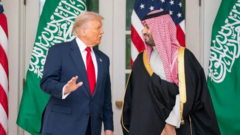
The nuclear deal between the Donald Trump administration and Saudi Arabia has significantly altered the United States' long-standing approach towards one of its key Middle Eastern allies. This agreement marks a departure from previous U.S. policies regarding nuclear cooperation and non-proliferation in the region. The specifics of the deal and its implications for regional stability and international nuclear safeguards are central to understanding this policy shift. The Trump administration's engagement with Saudi Arabia on nuclear technology development raises questions about the balance between strategic partnerships and the imperative to prevent nuclear proliferation. This development could influence future U.S. foreign policy decisions concerning nuclear energy programs in other Middle Eastern nations. The long-term consequences of this agreement will likely be debated by policymakers and analysts for years to come, particularly in the context of evolving geopolitical dynamics.
The Trump administration's nuclear agreement with Saudi Arabia represents a notable recalibration of U.S. foreign policy in the Middle East. This move appears to prioritize strategic alignment and potential economic cooperation over a more stringent, traditional non-proliferation stance. Such a shift could be interpreted through the lens of evolving geopolitical priorities, potentially seeking to counter regional adversaries or foster closer ties with key allies amidst changing global dynamics. However, this approach introduces inherent tensions between promoting nuclear energy development and mitigating proliferation risks, a challenge that will likely require robust oversight and international cooperation. The long-term implications for regional security and the global non-proliferation regime warrant careful consideration, particularly as other nations in the region may seek similar agreements, potentially altering the strategic nuclear landscape over the next decade.
AI-generated to prompt reflection — not editorial opinion, not advice, not a statement of fact. How this works.