Trump's Nuclear Offer to Saudi Arabia Risks Further Mideast Instability
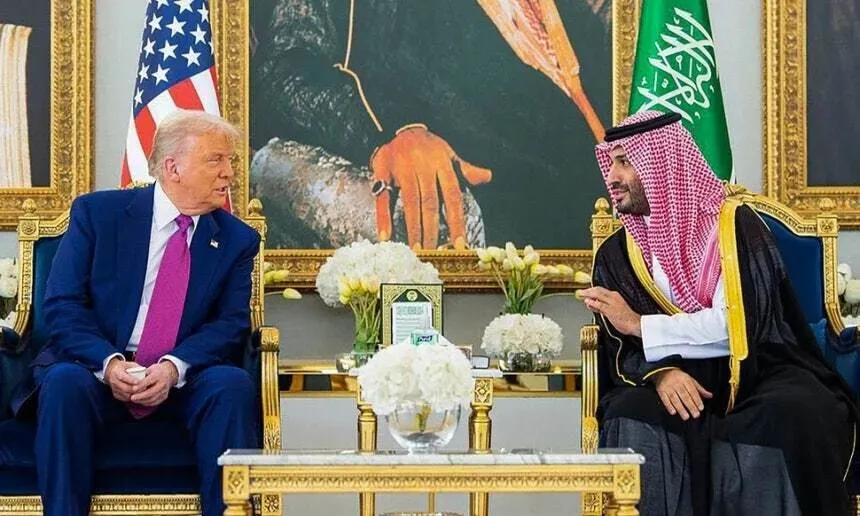
Former U.S. President Donald Trump's offer to Saudi Arabia regarding nuclear technology could exacerbate instability in the Middle East, according to a news analysis. This potential deal, which reportedly involves sharing nuclear "know-how" and potentially even "carrots" of nuclear weapons, raises significant concerns among experts. The analysis highlights that such a move could trigger a regional arms race, particularly involving Iran, which has its own nuclear ambitions. Saudi Arabia's pursuit of nuclear capabilities, especially if perceived as a direct countermeasure to Iran, could lead to a dangerous escalation of tensions. The report suggests that Trump's approach, driven by a desire to secure business deals and strengthen alliances, may overlook the broader geopolitical consequences. The potential for proliferation and the weakening of international non-proliferation regimes are key worries. The analysis implies that the U.S. has historically played a role in managing nuclear proliferation in the region, and a shift in this approach could have long-term negative repercussions for global security. The article does not specify the exact nature of the "carrots" or the precise stage of negotiations, but emphasizes the inherent risks associated with transferring sensitive nuclear knowledge.
The strategic implications of offering nuclear technology to Middle Eastern nations warrant careful consideration of long-term geopolitical stability. Such transfers, particularly when perceived as transactional or driven by immediate economic or political incentives, risk undermining established non-proliferation frameworks. The potential for escalating regional arms races, as rival states seek to balance perceived power shifts, presents a significant systemic risk. Evaluating these actions through the lens of future technological advancements and evolving international relations suggests a need for robust governance structures that prioritize de-escalation and verifiable security assurances over short-term strategic gains. The incentive structures for both suppliers and recipients of nuclear technology must be scrutinized for their potential to foster either cooperation or conflict in the coming decade.
AI-generated to prompt reflection — not editorial opinion, not advice, not a statement of fact. How this works.