Trump's Offer to Negotiate with Iran Causes Drop in Crude Oil Prices
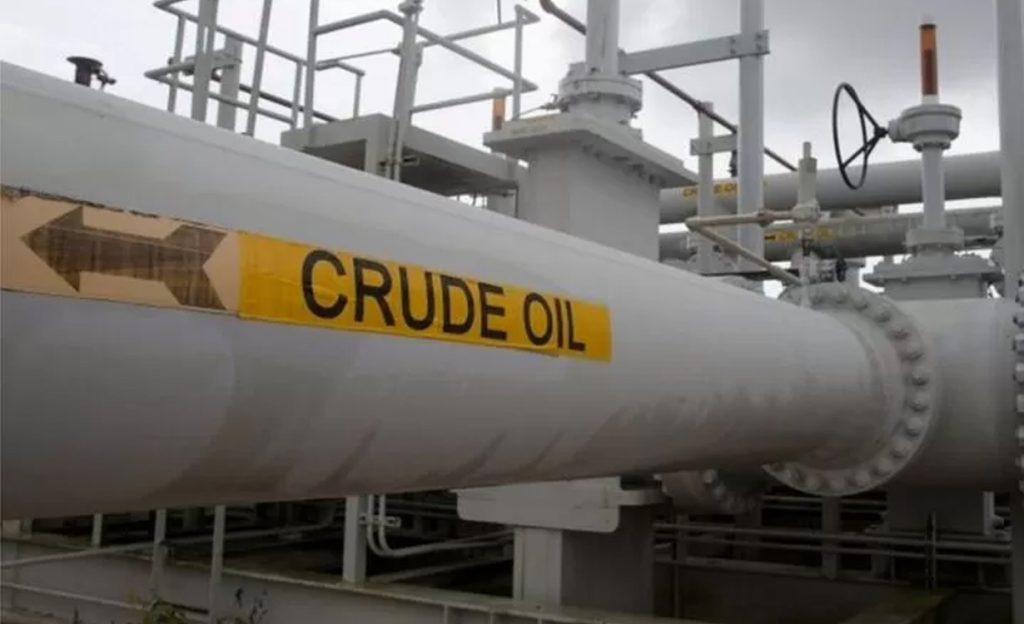
US President Donald Trump has softened his stance towards Iran, moving from threats of military action to an offer of negotiation. Reports indicate that a draft agreement with Iran has been prepared. This shift in policy has led to a decrease in international crude oil prices. The announcement is particularly significant as it impacts the Strait of Hormuz, a crucial chokepoint for global oil supply. Previously, President Trump had issued threats of military intervention against Iran. The sudden willingness to engage in dialogue suggests a potential de-escalation of tensions in the region. This development could have far-reaching implications for geopolitical stability and energy markets. The international community is closely watching the unfolding situation and its potential consequences. The exact details of the proposed agreement remain unclear, but the market reaction indicates a positive response to the prospect of diplomatic resolution. The potential impact on oil supply routes and global energy security is a key concern.
President Trump's stated willingness to negotiate with Iran, following prior threats of military action, introduces a significant variable into global energy markets. This policy pivot may reflect a strategic recalibration of US foreign policy objectives, potentially prioritizing diplomatic solutions over military confrontation to achieve desired outcomes. The market's immediate reaction, evidenced by falling crude oil prices, suggests that investors perceive a reduced risk of supply disruption stemming from the Strait of Hormuz. This dynamic highlights the sensitivity of oil prices to geopolitical stability in key energy-producing regions and the perceived likelihood of conflict. Future developments will likely depend on the substance of any potential agreement and the sustained commitment of both parties to a diplomatic process, which could reshape regional power balances and global energy flows over the next decade.
AI-generated to prompt reflection — not editorial opinion, not advice, not a statement of fact. How this works.
