Trump's Otan Summit Tone Shift: From Criticism to Claims of 'Great Unity'
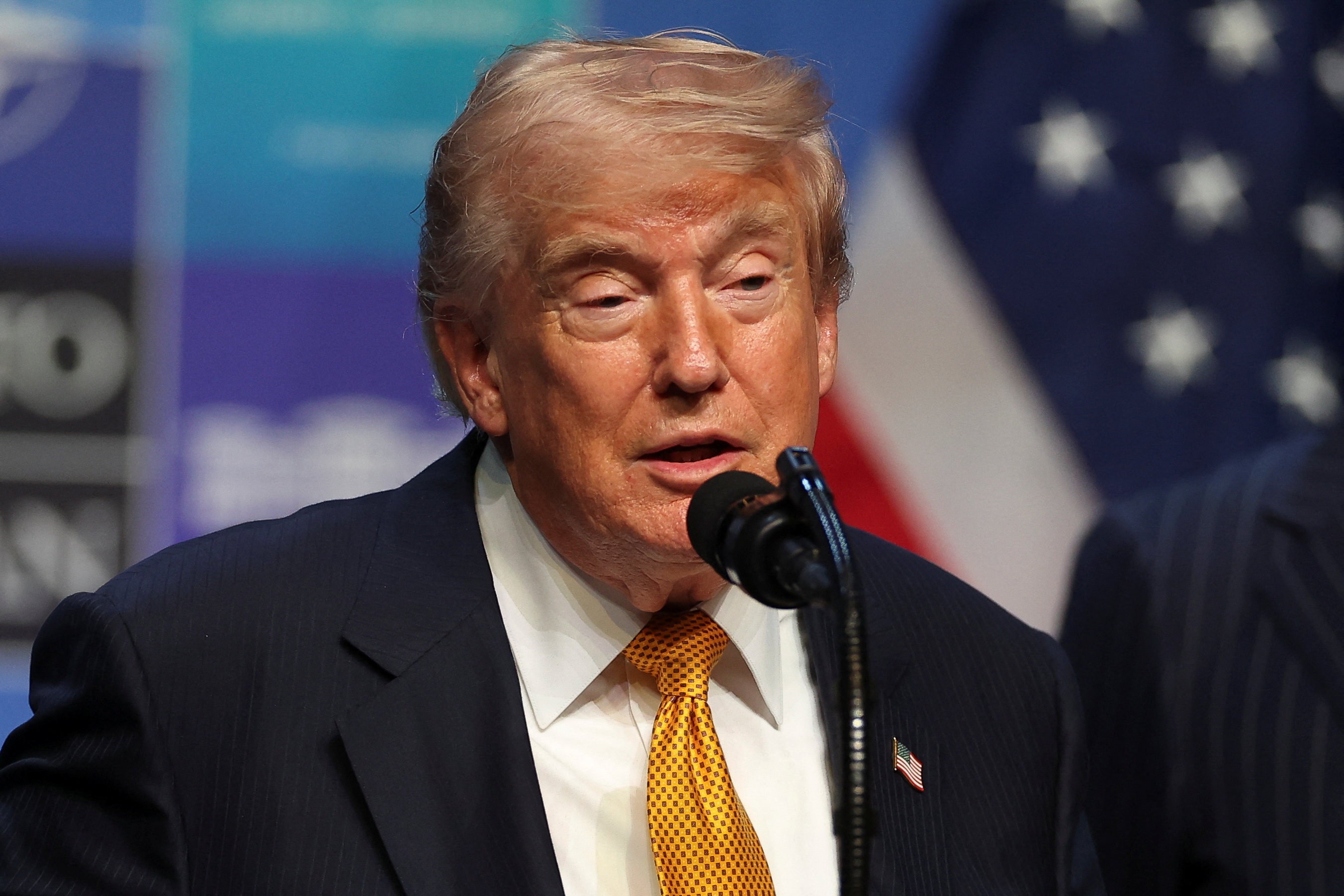
U.S. President Donald Trump initially caused disruption at a NATO summit on Wednesday, December 8th, by demanding his administration sever trade ties with Spain and reiterating his desire to acquire Greenland. He also declared an end to a fragile peace agreement with Iran and stated he no longer wished to negotiate with the Iranian regime. Trump described Spain as a "terrible partner" and instructed Treasury Secretary Scott Bessent to halt all trade with the country. These inflammatory remarks were made as European leaders sought to overcome disagreements threatening the alliance. Trump's comments came alongside NATO Secretary General Mark Rutte, who had been working to address Trump's concerns regarding defense spending, Iran, and Greenland.
However, following a closed-door meeting with NATO leaders, Trump's demeanor shifted dramatically. He declared the summit a "tremendous success," asserting that the U.S. had regained respect within NATO due to his insistence on increased defense spending by allies. Trump stated there was "so much love" and "great unity" in the room, praising his own work for fostering this atmosphere. He urged all nations to accelerate their defense spending plans. French President Emmanuel Macron and NATO Secretary General Mark Rutte corroborated this, with Macron stating he heard no complaints from Trump and Rutte reporting a strong sense of unity. The summit concluded with a joint statement affirming an "unwavering commitment" to collective defense under Article 5, with allies pledging €70 billion (approximately $75 billion USD) in military aid to Ukraine through 2026. Trump also spoke more warmly with Ukrainian President Volodymyr Zelensky, agreeing to grant Kyiv a license to produce Patriot missiles, a notable contrast to previous criticisms.
The event illustrates a recurring dynamic where public pronouncements by a head of state can diverge significantly from subsequent private discussions and official communiqués. This shift in tone, from sharp criticism to declarations of unity, suggests a strategic recalibration, potentially influenced by the need to maintain alliance cohesion or achieve specific policy objectives. The discrepancy between initial aggressive demands and later conciliatory statements raises questions about the underlying strategic intent and the effectiveness of public-facing rhetoric versus behind-the-scenes diplomacy. From a systemic perspective, such volatility can create uncertainty for allies and adversaries alike, impacting geopolitical stability and long-term alliance planning. The substantial financial commitments made by NATO members, particularly towards Ukraine, underscore the enduring importance of collective security frameworks, even amidst internal tensions and leadership-driven unpredictability.
AI-generated to prompt reflection — not editorial opinion, not advice, not a statement of fact. How this works.