Trump's Peace Board Plans Gaza Humanitarian Zone Amid Legal Concerns
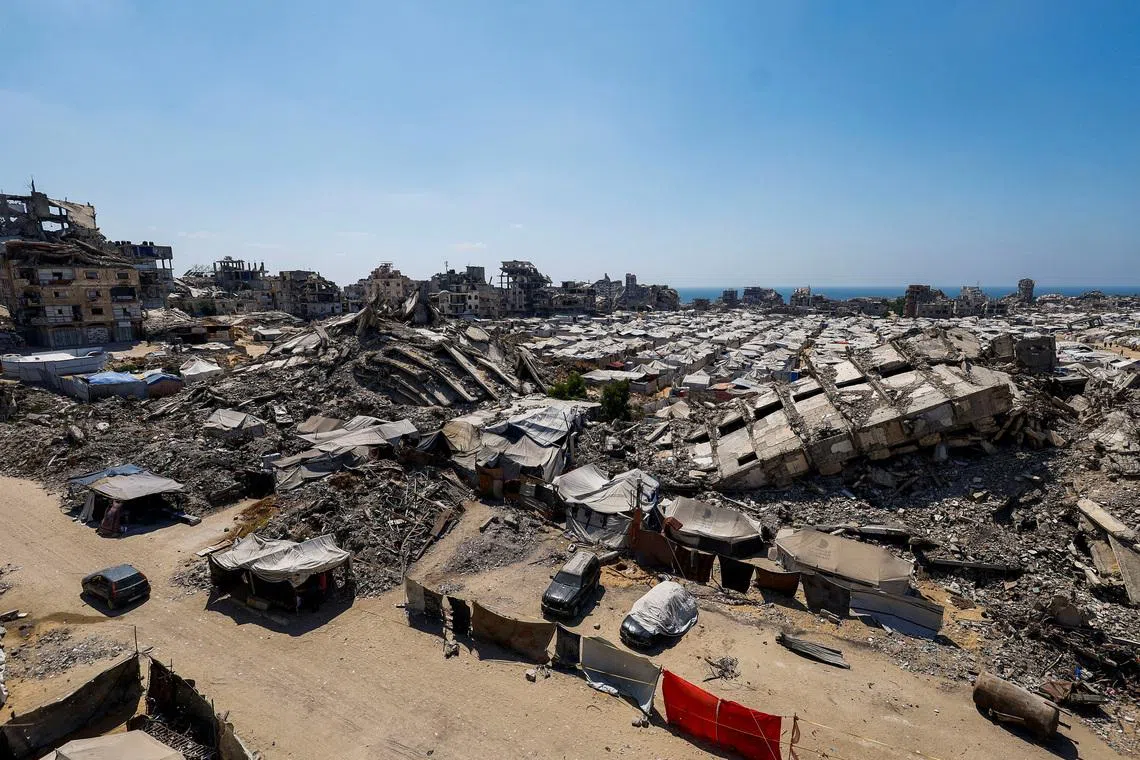
A group associated with former President Donald Trump, known as the Board of Peace, is reportedly planning to establish a pilot 'humanitarian zone' in southern Gaza. An official familiar with the initiative revealed these plans, which aim to address the dire humanitarian situation in the region. However, the proposal has already drawn significant criticism from diplomats and non-governmental organizations (NGOs). These groups have voiced serious concerns that the plan could violate international law. The specific details of the proposed zone and its operational framework have not yet been fully disclosed. The initiative comes at a time of intense international scrutiny over the ongoing conflict and its impact on civilians in Gaza. The Board of Peace, though not officially affiliated with any current government body, appears to be pursuing this project independently. The warnings from international legal experts and humanitarian organizations highlight the complex legal and ethical landscape surrounding any intervention in the conflict zone. Further information is expected as the planning progresses.
The proposed 'humanitarian zone' in southern Gaza, spearheaded by an entity linked to former President Trump, presents a complex challenge at the intersection of geopolitical strategy and international humanitarian law. While the stated intent is to alleviate suffering, the initiative's potential to circumvent existing legal frameworks and established humanitarian aid channels warrants careful consideration. The international community's concerns about potential breaches of international law suggest a need for rigorous legal review and transparent operational planning. Such projects, regardless of their origin, must align with established principles of humanitarian intervention and respect for sovereignty. The long-term implications of unilateral humanitarian initiatives, particularly in active conflict zones, could impact established diplomatic and aid mechanisms, raising questions about governance and accountability in future crisis responses.
AI-generated to prompt reflection — not editorial opinion, not advice, not a statement of fact. How this works.