Trump's proposed rule changes could ease access to US firearms for criminal groups
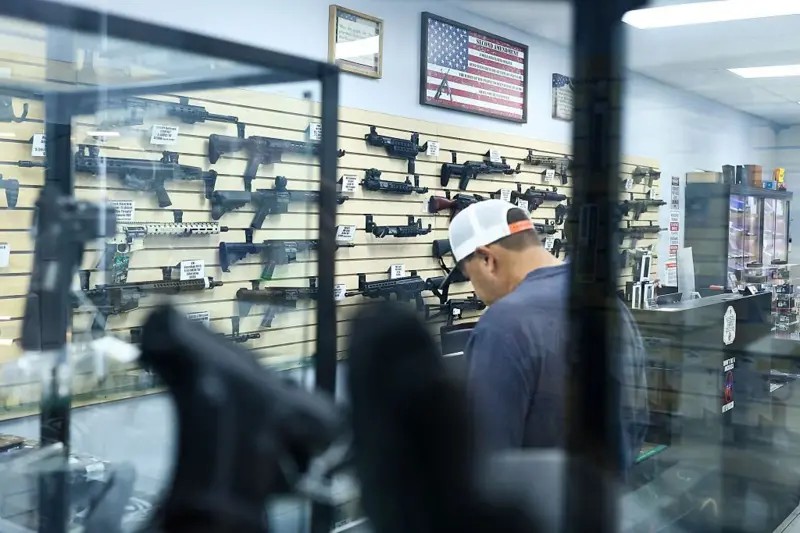
The Trump administration is considering regulatory changes that could significantly ease access to American firearms, including potentially allowing online purchases to be delivered directly to homes. This initiative aims to reverse restrictions imposed by the Biden administration, citing a commitment to the Second Amendment right to bear arms. The proposed changes, presented by the Bureau of Alcohol, Tobacco, Firearms and Explosives (ATF) in late April, include rolling back requirements for in-person verification of buyers' backgrounds, moving towards digital checks instead. Critics argue these measures, while framed as domestic policy, could exacerbate international arms trafficking, potentially supplying powerful weaponry to criminal organizations. This concern is amplified by the Trump administration's recent designation of Brazil's largest factions, the First Capital Command (PCC) and the Red Command (CV), as international terrorist organizations. While the Brazilian government disputes this classification, the US has historically been a major source of firearms used by these groups. Evidence of this illicit trade includes recent seizures of disassembled firearms, such as an AK-47 sent from Florida hidden in a household appliance, and 30 rifles found concealed in machinery at Viracopos Airport. Experts note that the US civilian firearms market's size and permissive nature create a loophole where legal purchases can fuel illegal international trafficking without consequence for sellers. Furthermore, the Trump administration has also eased restrictions on legal exports of civilian firearms to 36 countries with human rights concerns, a move criticized by Amnesty International for potentially increasing the diversion of legally exported arms into criminal use.
The proposed relaxation of US firearm regulations, particularly concerning online sales and delivery, presents a complex interplay between domestic constitutional interpretation and international security implications. While framed as upholding the Second Amendment, these policy shifts could inadvertently lower barriers for illicit arms trafficking, potentially arming transnational criminal organizations previously designated as terrorist entities by the same administration. The analysis suggests that the fundamental issue lies within the structure of the US domestic firearms market, where legal transactions can be easily exploited for illegal export. Future policy considerations may need to balance domestic rights with robust international cooperation and oversight mechanisms to mitigate the systemic risks associated with the global flow of firearms.
AI-generated to prompt reflection — not editorial opinion, not advice, not a statement of fact. How this works.